

High-Precision Die Casting from Prototype to Production
Custom Die Casting Services
TigerHubs provides custom die casting services for metal housings, brackets, heat sinks and industrial components. We bring die engineering, high-pressure die casting, trimming, CNC machining and surface finishing together to deliver parts built around your drawings and application requirements.
- Delivery in 20–25 days
- 99.80% On-time Delivery
- ISO 9001:2015/ISO 13485:2016/AS9100D/IATF 16949:2016
Die Casting Production Capabilities
TigerHubs develops the casting and tooling approach around your alloy, part geometry and production demand. The objective is to create a manufacturable tool that supports stable filling, controlled ejection and repeatable production.
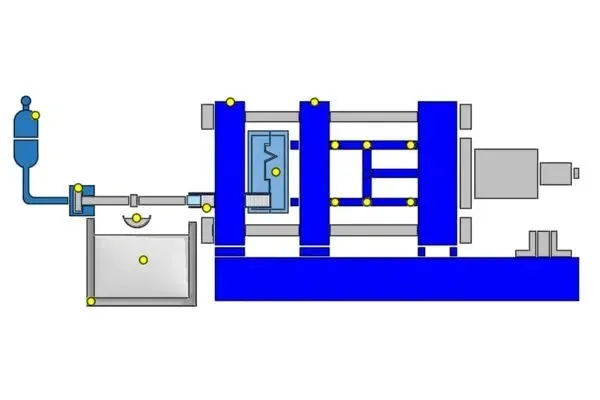
Cold Chamber Die Casting
Cold chamber die casting introduces molten metal from a separate furnace into the shot chamber. It is commonly used for aluminum components and other alloys suited to this equipment configuration.
Best For
- Aluminum housing
- Cover plate
- Bracket
- Industrial components
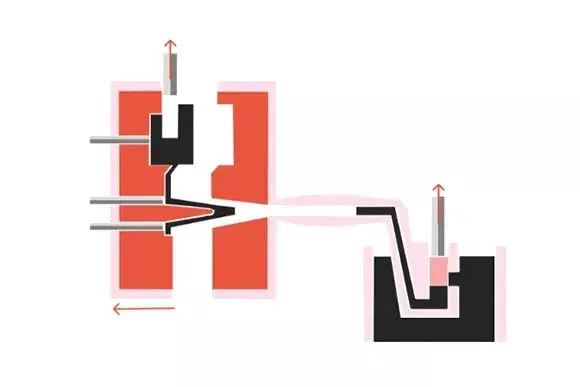
Hot Chamber Die Casting
Hot chamber die casting uses an injection system connected to the molten-metal supply. It is commonly selected for zinc alloys and suitable magnesium applications, subject to equipment and process review.
Best For
- Compact zinc components
- Finely detailed hardware
- Mass production of small parts
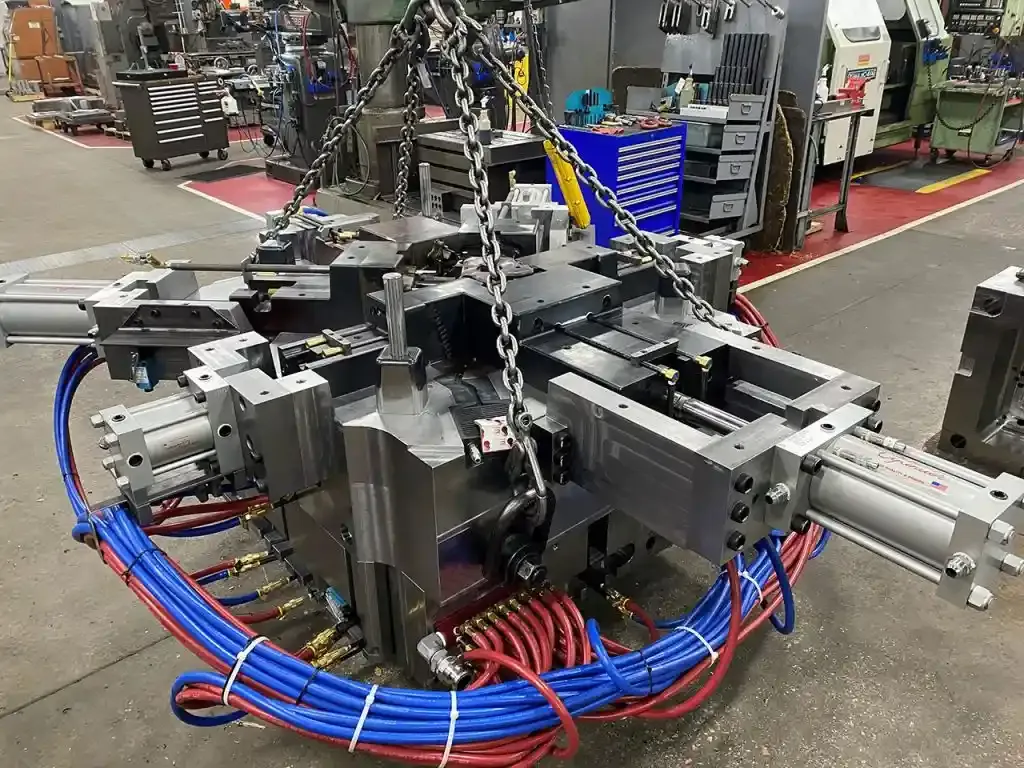
Die Tooling Development
Our tooling review covers cavity layout, parting lines, gates, runners, vents, cooling and ejection. Tool steel and construction are selected around alloy, thermal loading and expected production requirements.
Die Casting Design Guide
| Requirement | Details | What to Consider |
|---|---|---|
| Casting materials | Aluminum, zinc and magnesium alloys | Grade availability and material requirements are confirmed during quotation |
| As-cast dimensional tolerance | ±0.10 mm | Larger dimensions, parting-line features and moving die components require separate evaluation |
| Post-CNC feature tolerance | ±0.05 mm | Tighter requirements need feature-specific machining and inspection review |
| Aluminum wall thickness | 1.5 mm | Flow length, casting area, ribs and alloy influence feasibility |
| Zinc wall thickness | 0.8 mm | Thin walls require review of filling and local geometry |
| Draft angle | 0.5° | Deep features, internal walls and textured surfaces may require more draft |
| Maximum Die Life (Number of Cycles) | Zinc: 1,000,000 Magnesium, Aluminum: 100,000 | Actual die life depends on alloy, part geometry, die material, thermal conditions, cycle parameters and maintenance |
Explore Our Die Casting Factory
Get A Quote NowWith 60+ die casting machines and integrated tooling, secondary CNC machining and finishing support, TigerHubs supports aluminum, zinc and magnesium parts from trial production to repeat orders. Coordinated production resources help simplify supplier management and support growing production demand.


0+Sets60+Sets
Die Casting Machines
0Set25Set
Cold-Chamber Machines
0Units15Units
Hot-Chamber Machines
0+Sets30+Sets
CNC Machining Centers
0Units4Units
CMM Machines
0+Skilled80+Skilled
Die Casting Professionals
Die Casting Materials for Your Application
Select a die casting alloy around the part’s operating conditions, weight, structural requirements and surface finish. TigerHubs evaluates material selection alongside the manufacturing route so that the chosen alloy suits both the application and the geometry.
Aluminum Die Casting
Aluminum die casting is a practical choice for lightweight housings, brackets and components that combine structural function with thermal management.

Supported Grades
A380, A383 and A360
Typical Parts
Electronic enclosures, motor covers, equipment housings and heat sink bodies
Advantages
Integrate mounting features, ribs and housing geometry into a lightweight casting, with machining reserved for critical interfaces.
Quality Assurance
Know how your parts will be accepted before production begins. TigerHubs aligns die casting quality control with your drawing, critical features and functional requirements, with inspection methods and documentation agreed for each order.

Before Production
Review drawing revisions, material specifications, critical features and acceptance criteria. Establish how dimensions, appearance and functional requirements will be evaluated.
- Material and specification review
- Critical-to-function feature identification
- Tooling and DFM approval
- Measurement methods and sampling agreement
During Production
Apply the agreed process controls and inspection frequency. Track dimensional or visual changes that may indicate tooling wear, process drift or downstream handling issues.
- Approved production settings and process checks
- First-off and in-process dimensional inspection
- Visual checks for flash, incomplete filling and surface defects
- Batch identification and controlled handling
After Production
Verify the finished part against the released requirements after machining and finishing. Additional testing is arranged where the application requires it.
- Final dimensional inspection, including CMM where appropriate
- Appearance and coating checks
- Leak or pressure testing to an agreed method
- X-ray inspection where specified
- Inspection reports and material documentation as agreed
Custom Die Cast Parts


Image 1 of 7
Surface Finishing for Die Cast Parts
Choose die casting surface finishes around your part’s appearance, corrosion exposure and contact requirements. TigerHubs helps specify surface preparation, coating and masking so the finish suits both the alloy and the application.


Our Die Casting Process
Move from your CAD files to production-ready die cast parts with clear review and approval milestones. TigerHubs coordinates tooling, casting and secondary operations around your approved specifications.
Submit Your Design
Share your 3D model, drawings, material requirements and order quantity. We review the project and prepare a quotation with proposed tooling, production scope and lead times.
Approve the Tooling Plan
Review DFM recommendations and the proposed die design before tooling begins. Confirm any design changes, critical features and sample acceptance requirements with our team.
Build the Die & Produce T1 Samples
Manufacture the die and run the first casting trial. T1 samples allow you to evaluate dimensions, appearance and fit before releasing the project for production.
Review Samples & Confirm Adjustments
Assess the samples against your requirements. Where changes are needed, we agree on corrective actions and repeat sampling before production approval.
Cast & Complete Secondary Operations
Produce parts using the approved die and manufacturing route. Complete the specified trimming, CNC machining and surface finishing to prepare components for their intended use.
Verify & Deliver
Check finished parts against the agreed acceptance criteria, prepare the required documentation and arrange packaging and shipment to your destination.
Applications of Die Casting in the Industry
From thermal management in electronics to compact mechanisms in industrial equipment, die cast components serve different functions across industries. Explore where custom die casting can support your product’s operating requirements.
Discuss Your Industry Application
Automotive
Die casting produces lightweight and repeatable metal components for automotive systems, structural assemblies, and electric vehicle applications.
- Common parts
- Motor housings, transmission housings, brackets, structural components, covers, heat-management components.
- Best for
- High-volume production, thin-wall components, complex housings, and lightweight aluminum parts.

Robotics
Die casting enables rigid and lightweight metal components for robotic systems while integrating multiple functional features into a single part.
- Common parts
- Robot joint housings, actuator housings, motor housings, gear housings, structural brackets.
- Best for
- Lightweight structures, complex housings, integrated features, and repeat production.

Aerospace
Die casting can be used for selected non-critical aerospace and supporting equipment components where lightweight metal construction and repeatability are required.
- Common parts
- Equipment housings, brackets, covers, mounting components, structural support parts.
- Best for
- Lightweight components, complex shapes, repeat production, and integrated mounting features.

Industrial Equipment
Die casting provides durable metal components for industrial machinery and equipment where consistent dimensions and efficient repeat production are important.
- Common parts
- Motor housings, gearbox housings, pump components, equipment covers, brackets.
- Best for
- High-volume production, complex housings, thin-wall components, and integrated features.

Construction Machinery
Die casting supports selected metal components used in equipment systems where dimensional consistency and efficient production are required.
- Common parts
- Motor housings, hydraulic system components, covers, brackets, control housings.
- Best for
- Repeat production, durable housings, integrated features, and lightweight metal components.

Medical
Die casting can produce selected metal housings and structural components for medical equipment where consistent dimensions and repeatability are required.
- Common parts
- Equipment housings, structural frames, covers, mounting components, brackets.
- Best for
- Precision housings, repeat production, complex shapes, and lightweight metal components.
Rail Transit
Die casting supports lightweight metal housings and functional components used in rail vehicle and equipment systems.
- Common parts
- Motor housings, electrical housings, equipment covers, brackets, mounting components.
- Best for
- Lightweight structures, repeat production, complex housings, and integrated features.

Renewable Energy
Die casting is suitable for selected components in renewable energy and electric-drive systems that require lightweight construction and consistent production.
- Common parts
- Motor housings, inverter housings, electrical enclosures, heat-management components, brackets.
- Best for
- Aluminum housings, thin-wall structures, thermal-management components, and high-volume production.

Marine
Die casting can be used for selected marine equipment components where lightweight metal construction and repeatable dimensions are required.
- Common parts
- Motor housings, equipment covers, electrical housings, brackets, mounting components.
- Best for
- Lightweight housings, repeat production, integrated features, and corrosion-resistant alloy applications.

Semiconductor Equipment
Die casting supports selected equipment housings and structural components where complex geometry, dimensional consistency, and efficient repeat production are required.
- Common parts
- Equipment housings, covers, brackets, mounting components, structural frames.
- Best for
- Complex housings, integrated features, repeat production, and lightweight metal components.
Frequently Asked Questions
Contact UsTooling cost depends on part size, geometry, cavity count, slides, tool construction and required production performance. Trimming tools and machining fixtures may also be needed. Your quotation should identify these items separately from the piece price.
Minimum order quantity is evaluated by project. The economic production quantity depends on tooling investment, setup requirements and anticipated repeat demand. Include both your initial order and annual forecast when requesting a quote.
Timing is planned separately for DFM approval, tool manufacture, T1 sampling, adjustments and production. A new tool has a different schedule from a repeat order using an approved die. Your quotation will define the relevant milestones.
Yes, a prototype route can be evaluated for fit or functional checks. CNC or other prototype processes may help validate the design, but their material structure and performance should not be treated as proof of the final die casting process.
Tooling ownership, storage, maintenance and transfer conditions should be stated in the quotation or tooling agreement. Confirm these terms before the tool is commissioned.
Some changes can be made by modifying the tool; others may require new inserts or a new die. Submit a revised drawing for review before approving a change, since tooling cost and timing may be affected.
Provide a 3D CAD model and a dimensioned drawing where available. Include the material, finish, critical dimensions, initial quantity, annual demand and any inspection or functional test requirements.
Ready to Turn Your Design Into Precision Die Cast Parts?
From die design to high-pressure casting, finishing and global delivery.