

Custom CNC Turning Services
Get custom CNC turned metal and plastic parts backed by TigerHubs' manufacturing network of 300+ CNC machines. From precision shafts and bushings to complex turned components, we support your projects from prototypes to production.
- ISO 9001
- Prototype to Production
- Metal & Plastic Machining
- 300+ CNC Machines Across Our Network
Why Choose TigerHubs for CNC Turning?
TigerHubs combines scalable manufacturing resources, engineering expertise, and coordinated production services to simplify custom CNC turning. From initial design review to finished parts, we help you reduce sourcing complexity, manage manufacturing risks, and keep your projects moving.
Scalable CNC Manufacturing Network
Access 300+ CNC machines across our manufacturing network, giving your projects flexible production resources for different part requirements and order volumes.
Engineering Support That Reduces Costs
Identify machining challenges, unnecessary complexity, and potential cost savings through practical DFM reviews before production begins.
Coordinated Production Management
Simplify supplier coordination with structured project communication, manufacturing planning, and clear production requirements throughout your CNC turning project.
One Partner for Complete Parts
Combine CNC turning, secondary machining, and surface finishing through one manufacturing partner to reduce sourcing complexity and streamline part delivery.
CNC Turning Capabilities & Specifications
Explore TigerHubs' CNC turning capabilities for custom metal and plastic parts. From small-diameter components to large cylindrical parts, our manufacturing network supports a wide range of machining requirements. Review the specifications below to assess your project's manufacturing feasibility.
| Technical Specification | Capabilities |
|---|---|
| Maximum Turning Diameter | Up to Ø500 mm |
| Maximum Turning Length | Up to 1,500 mm |
| Minimum Turning Diameter | Down to Ø1 mm |
| Minimum Metal Wall Thickness | 0.8 mm recommended |
| Minimum Plastic Wall Thickness | 1.5 mm recommended |
| Surface Roughness | Ra 1.6–3.2 μm typical |
| Fine Surface Roughness | Down to Ra 0.8 μm |
| General Machining Tolerance | ISO 2768-m, where specified |
| Precision Tolerance | Down to ±0.005 mm |
| Threading Capabilities | Internal & External Threads |
| Supported Materials | Metals & Engineering Plastics |
| Production Volume | Prototypes to Production |
CNC Turning Operations & Machining Capabilities
TigerHubs supports a range of CNC turning operations to produce cylindrical features, internal bores, threads, grooves, and complex profiles. We select suitable machining methods based on part geometry to reduce unnecessary setups and improve manufacturing efficiency.
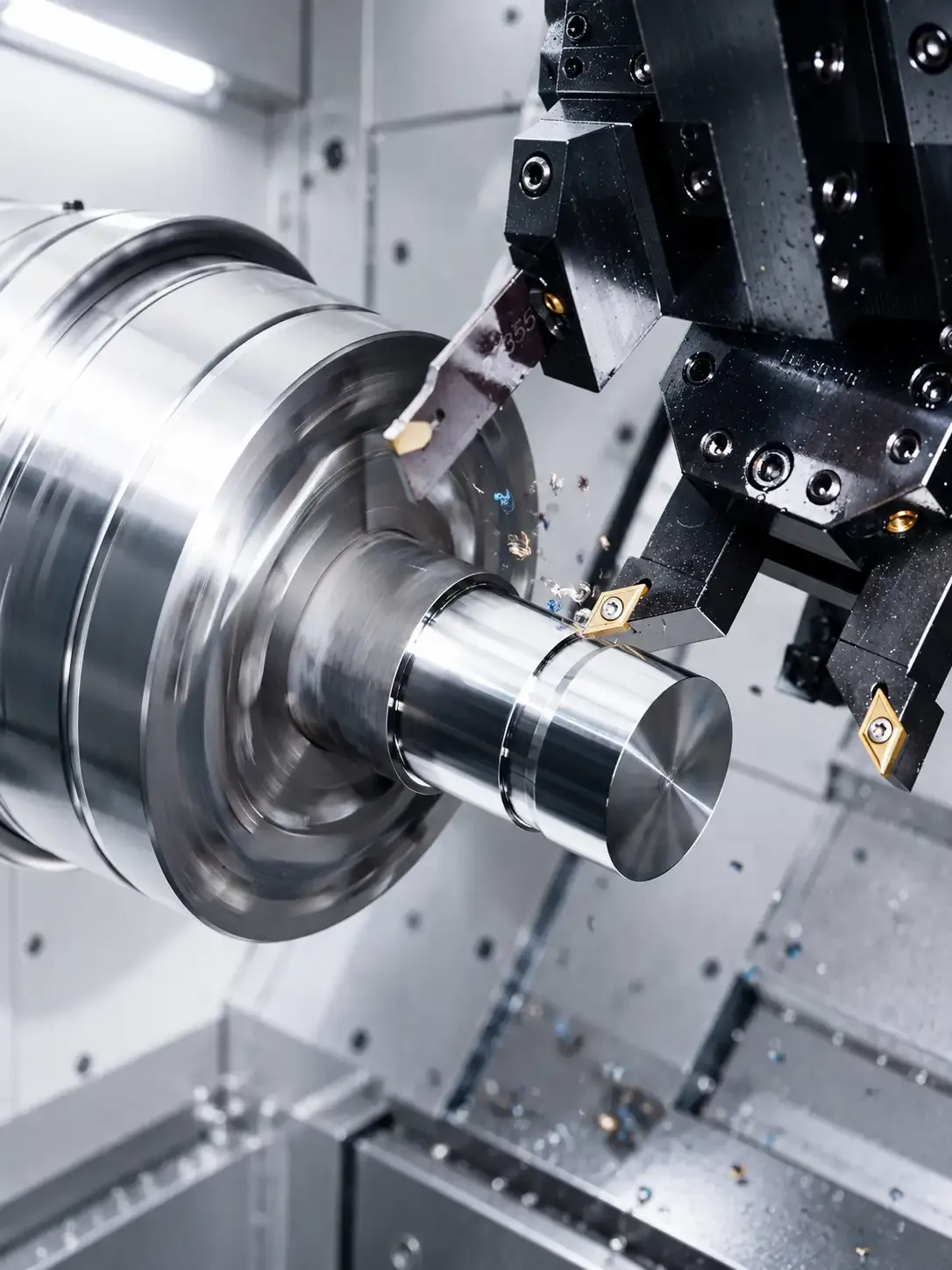
External Turning
Machine cylindrical surfaces, stepped diameters, and external profiles for shafts and rotational components.
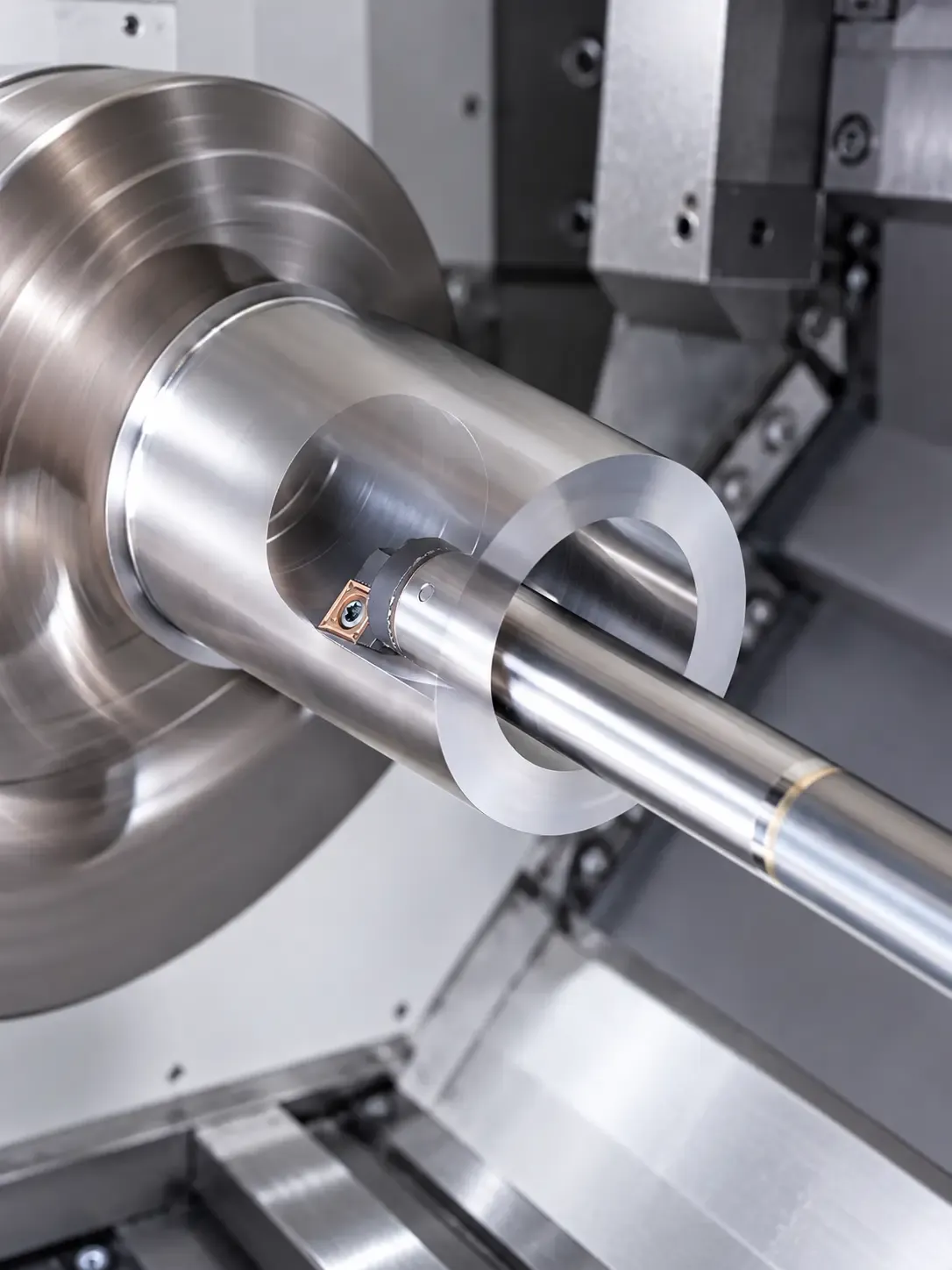
Internal Boring
Create accurate internal diameters and bore features for sleeves, bushings, and hollow components.
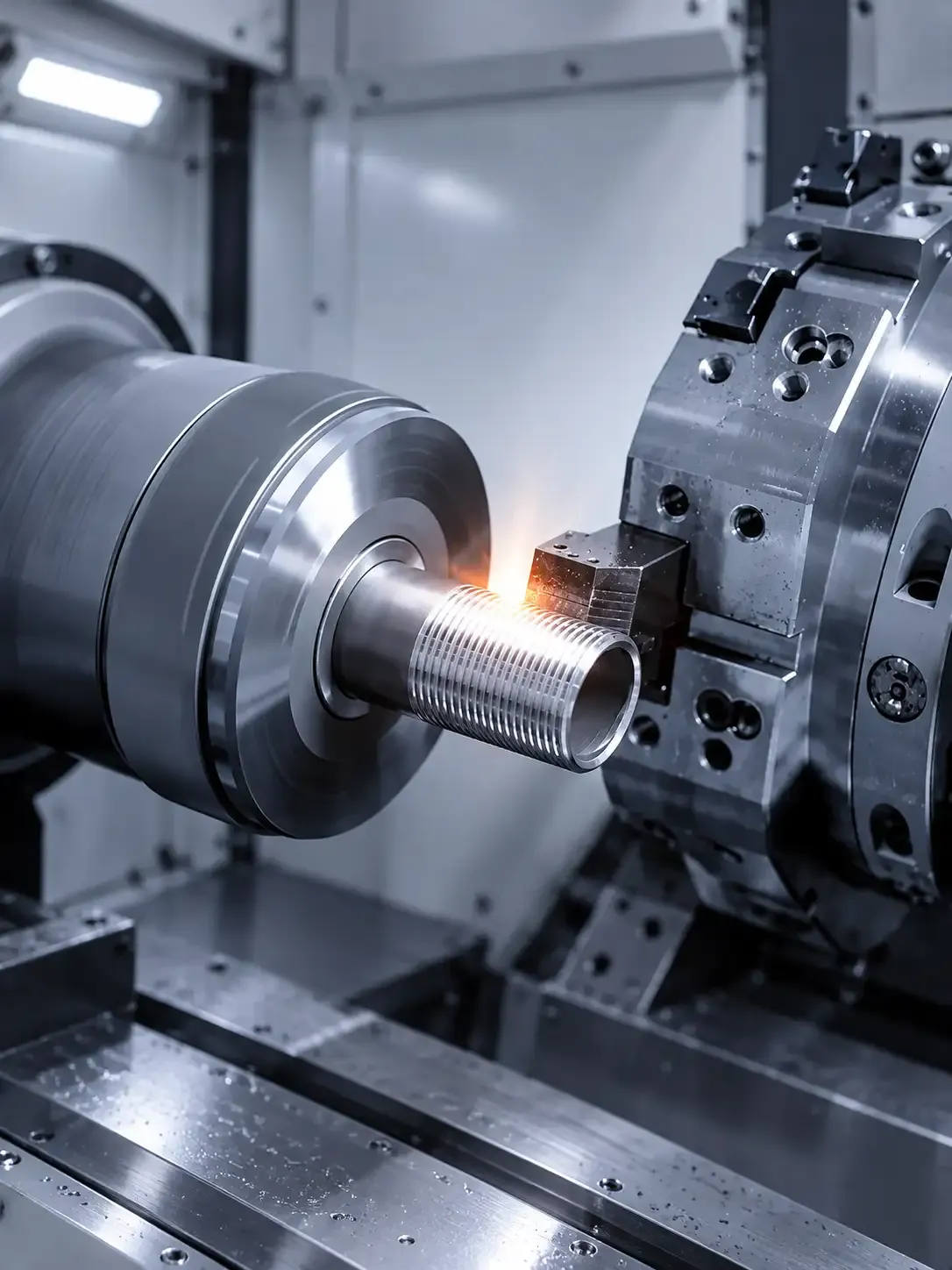
Thread Turning
Produce internal and external threads for mechanical connections and threaded assemblies.
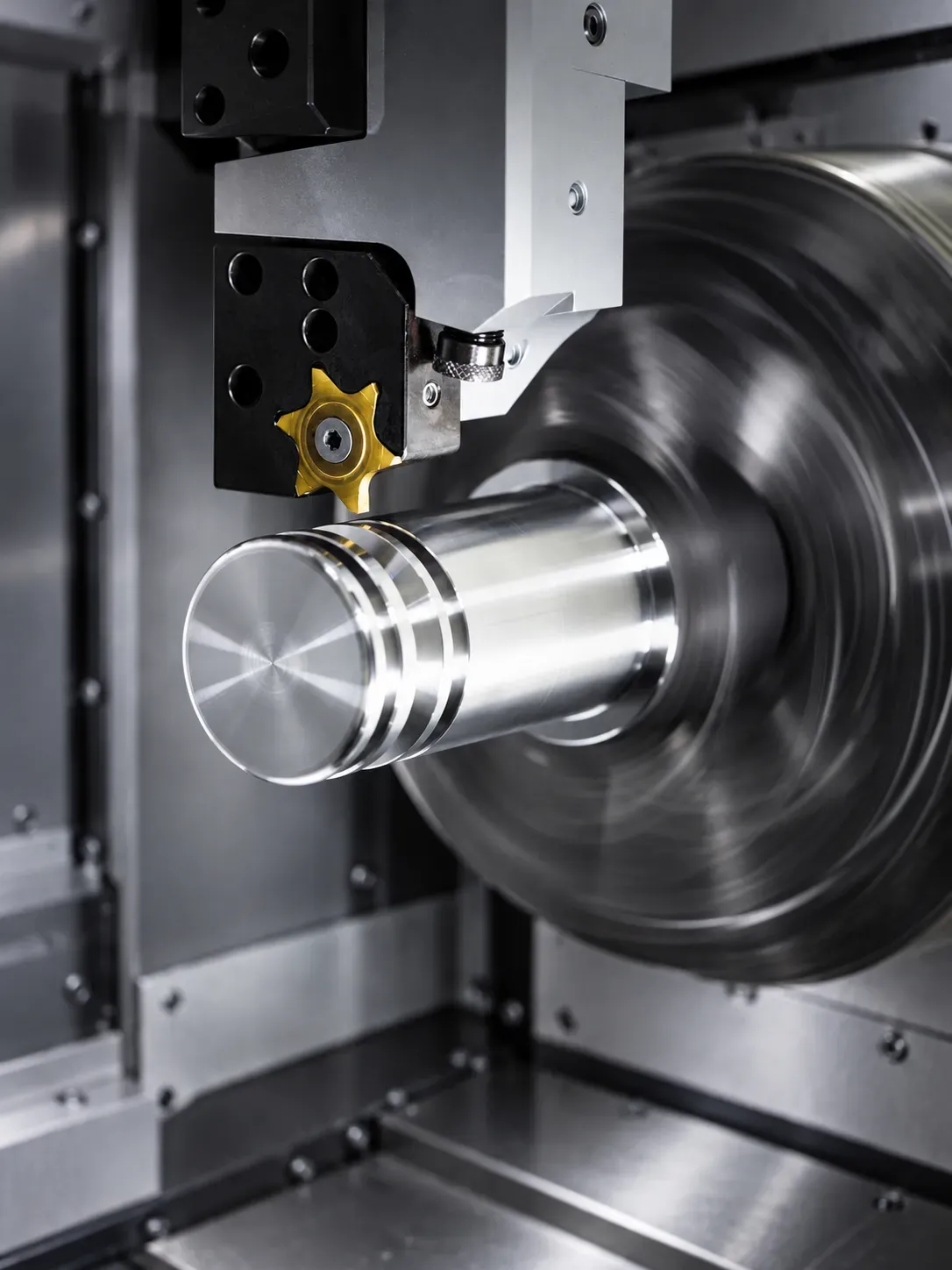
Grooving & Parting
Cut retaining-ring grooves, relief features, and part-off sections in turned components.
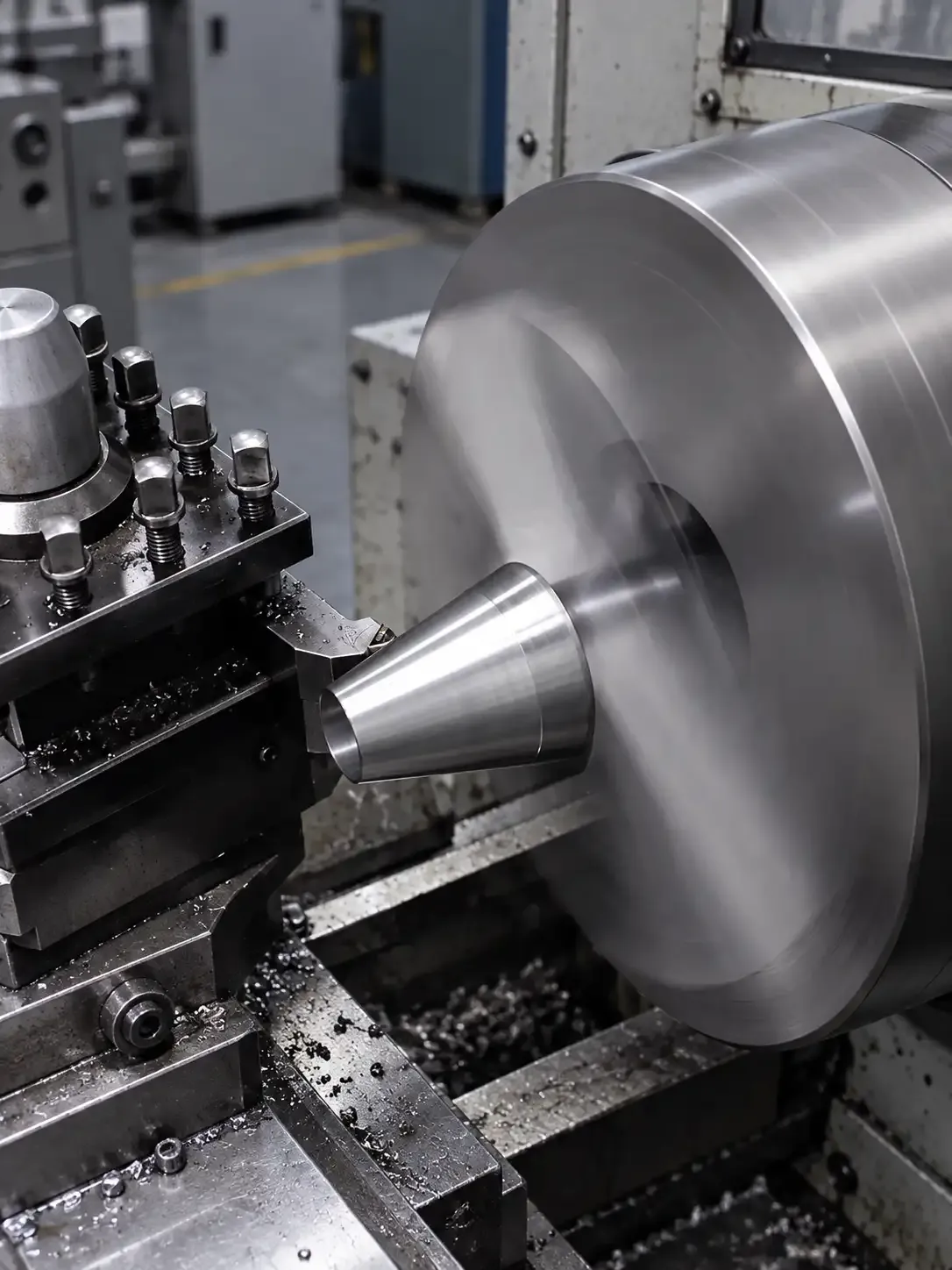
Taper Turning
Machine tapered diameters and conical surfaces for alignment, fitting, and sealing applications.
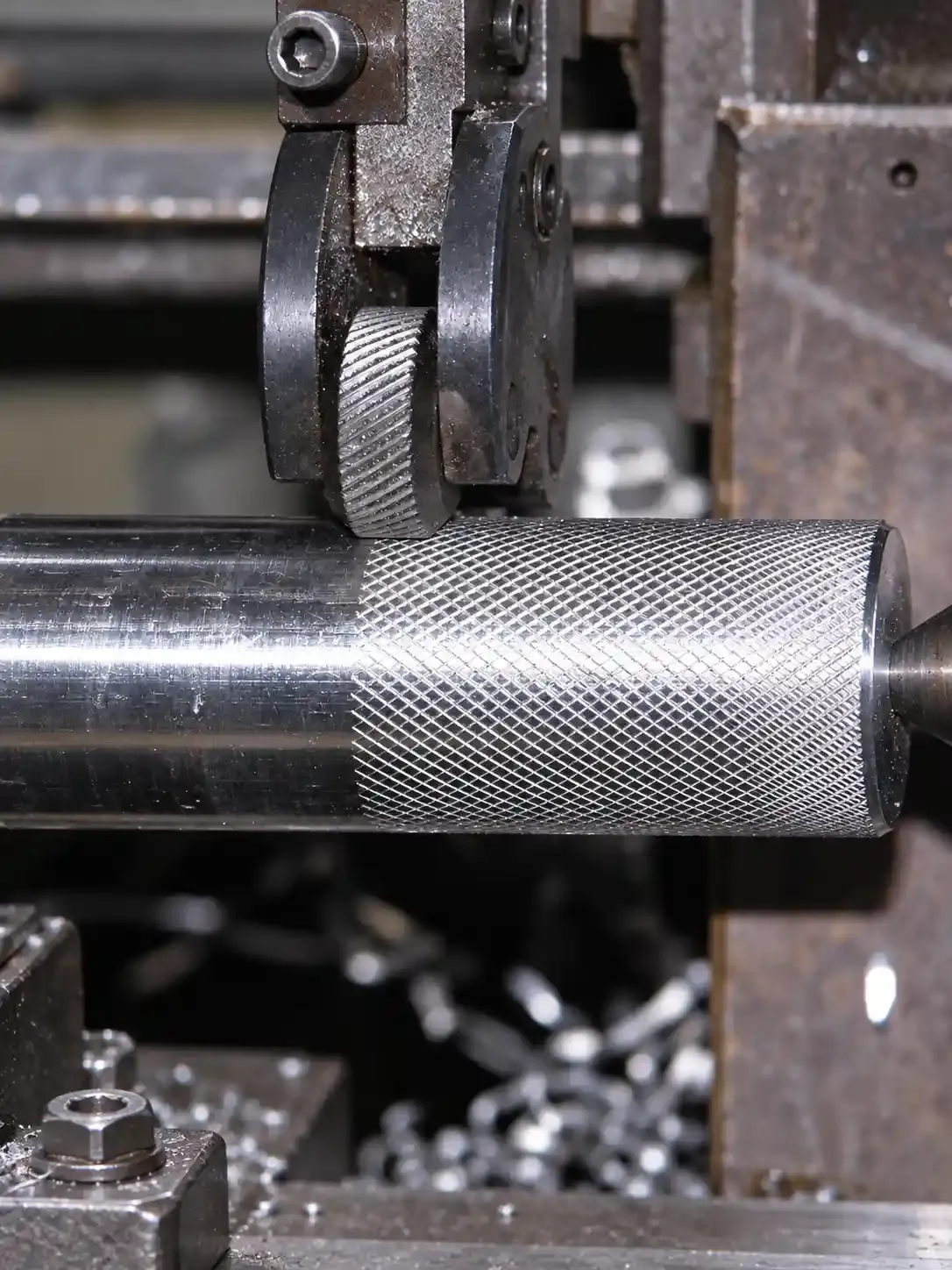
Knurling
Form textured patterns on cylindrical surfaces to improve grip and mechanical handling.
External Turning
Machine cylindrical surfaces, stepped diameters, and external profiles for shafts and rotational components.
Internal Boring
Create accurate internal diameters and bore features for sleeves, bushings, and hollow components.
Thread Turning
Produce internal and external threads for mechanical connections and threaded assemblies.
Grooving & Parting
Cut retaining-ring grooves, relief features, and part-off sections in turned components.
Taper Turning
Machine tapered diameters and conical surfaces for alignment, fitting, and sealing applications.
Knurling
Form textured patterns on cylindrical surfaces to improve grip and mechanical handling.
Advanced CNC Turning Capabilities

CNC Turn-Mill Machining
Combine turning and milling operations to produce flats, slots, and cross-holes with fewer setups, improving efficiency for complex components.

Swiss-Type CNC Turning
Machine small-diameter, slender components with guide-bushing support to improve stability and control deflection.

Large-Diameter CNC Turning
Machine large cylindrical parts, rings, and flanges using suitable turning equipment and workholding methods.
CNC Turning Tolerances & Precision Control
Precision CNC turning goes beyond dimensional accuracy. TigerHubs evaluates critical diameters, coaxiality, runout, and surface requirements to help ensure proper fit, smooth rotation, and reliable assembly. Tolerances are assessed against your drawings, material, and part geometry.
| Critical Feature | Reference Tolerance | Functional Benefit |
|---|---|---|
| General Turned Dimensions | ±0.05 mm | Consistent dimensional fit |
| Precision Shaft Diameters | ±0.01 mm, down to ±0.005 mm* | Accurate shaft and bearing fits |
| Precision Bores | ±0.01 mm* | Reliable shaft-to-bore assembly |
| Circular Runout | ≤0.02 mm* | Reduced rotational deviation |
| Total Runout | Drawing-dependent | Better control of rotating surfaces |
| Coaxiality | Per drawing & GD&T | Alignment of cylindrical features |
| Roundness | Drawing-dependent | Consistent cylindrical contact |
| Surface Roughness | Ra 0.8–1.6 μm* | Improved mating and sliding surfaces |
| Thread Fit | Per specified thread class | Reliable threaded connections |
Precision That Supports Part Performance

Accurate Fits
Control critical shaft and bore dimensions to support reliable bearing fits, mating components, and assembly.

Rotational Stability
Define appropriate runout and alignment requirements to reduce unwanted motion in rotating components.

Functional Surface Quality
Specify suitable surface roughness for sliding, sealing, and contact surfaces without unnecessary finishing requirements.
Custom CNC Turned Parts We Manufacture


Image 1 of 7
CNC Turning Materials for Metal & Plastic Parts
Choose the right material for your custom CNC turned parts. TigerHubs supports material selection for CNC turning projects involving metals and engineering plastics, helping you balance machinability, strength, corrosion resistance, and cost based on your application.
Metal Materials
Aluminum
Easy to turn with relatively low cutting forces, making it suitable for lightweight precision components and efficient machining.
Best For
Lightweight shafts, spacers, and housings
Common Grades
6061-T6, 7075-T6, 6082
Engineering Plastics
POM / Acetal
Cost-effective, impact resistant, and easy to machine for functional prototypes and parts.
Best For
Bushings, spacers, rollers
Common Grades
POM-C, POM-H
CNC Turning Design Guidelines
Optimize your CNC turned parts for easier machining and lower production costs. These CNC turning design guidelines cover wall thickness, hole depth, internal corners, threads, and slender features to help reduce machining complexity, improve manufacturability, and avoid unnecessary expenses.
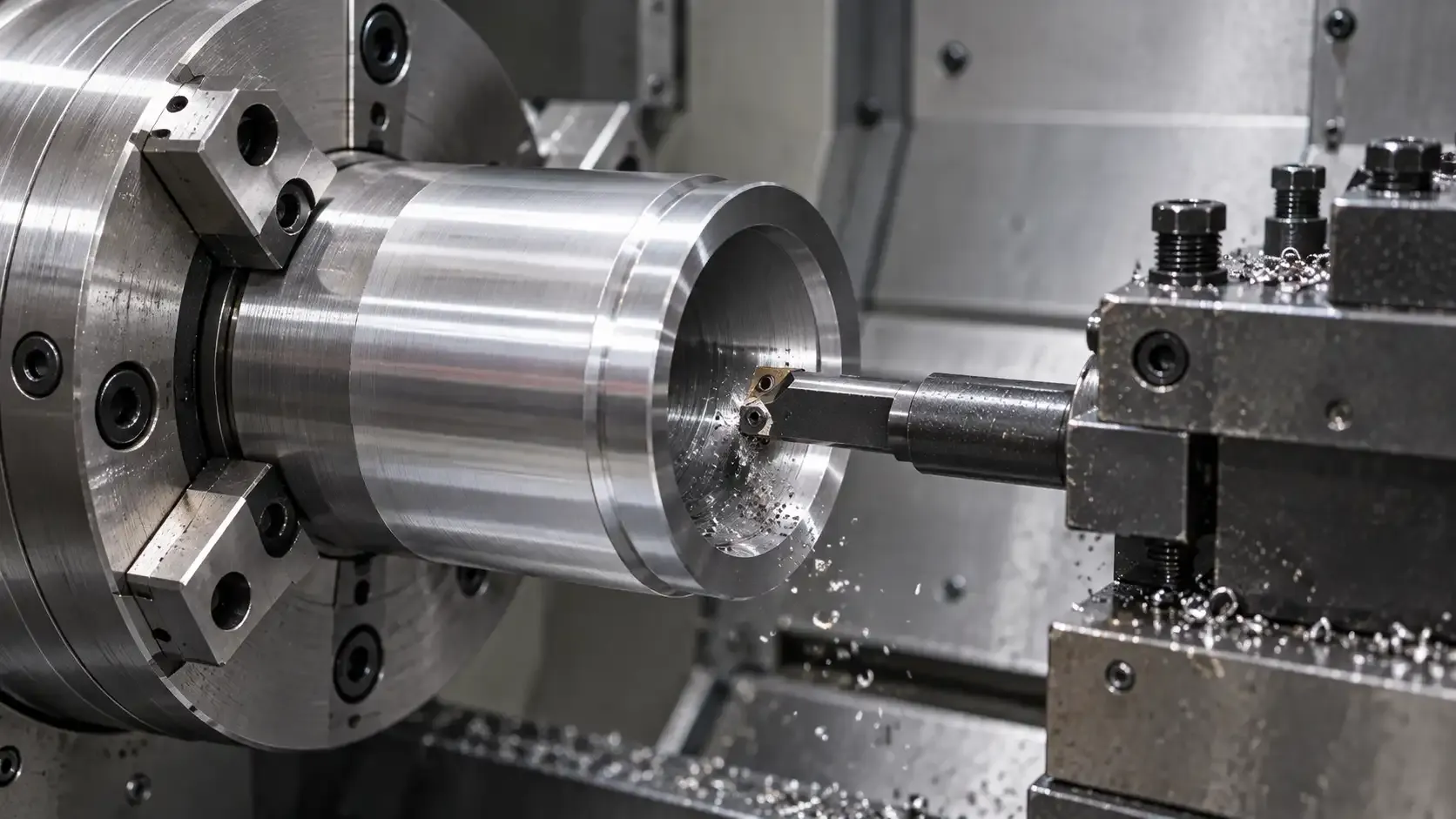
Wall Thickness
Avoid excessively thin walls that may deform under cutting forces or clamping pressure. Use thicker, more uniform walls where possible to improve machining stability.
Recommended
- ≥0.8 mm for metals; ≥1.5 mm for plastics
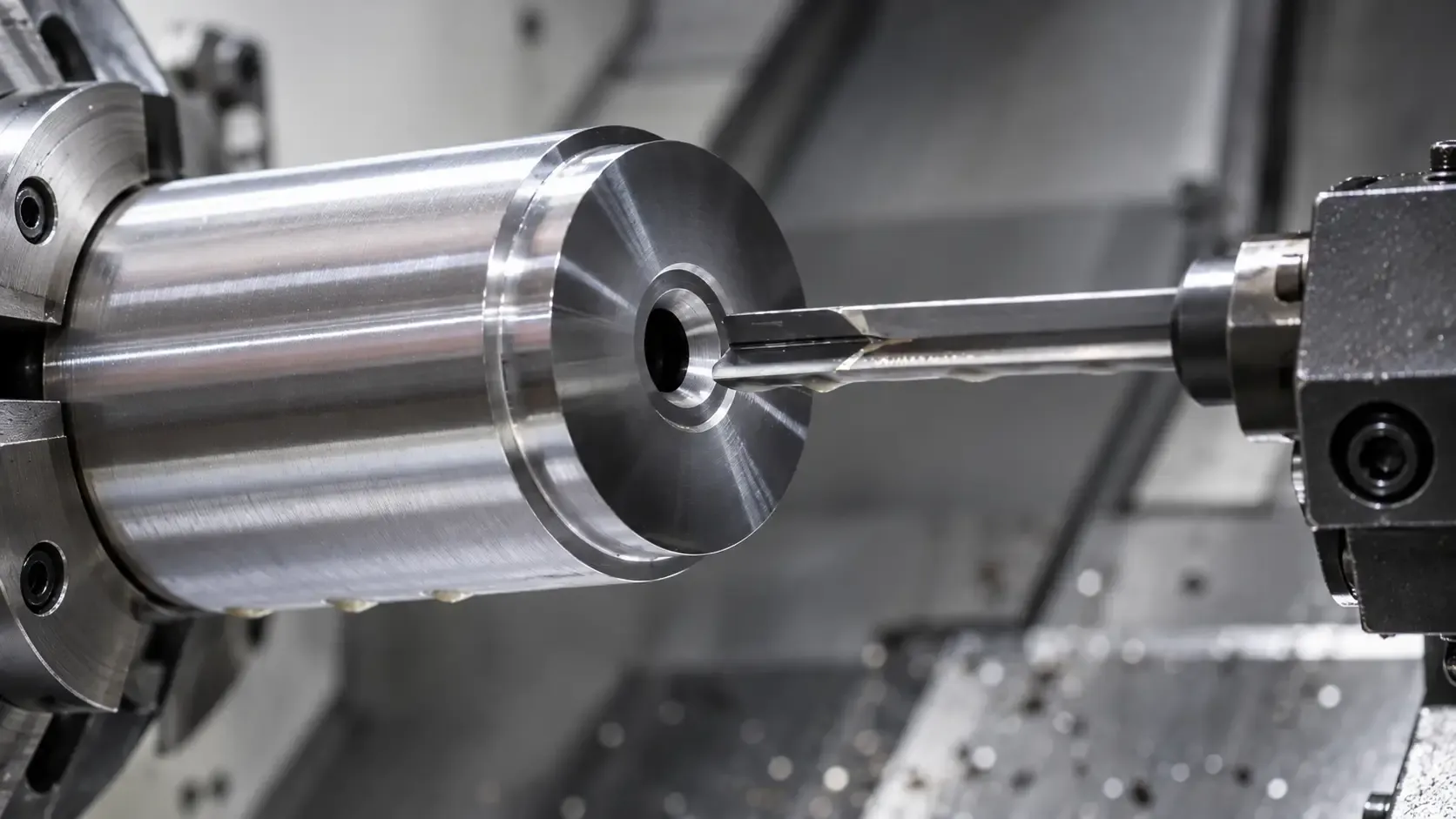
Hole Depth
Keep drilled holes reasonably shallow where possible. Deeper holes may require specialized tooling and additional chip evacuation, increasing machining time and cost.
Recommended
- Depth ≤4× hole diameter for conventional drilling
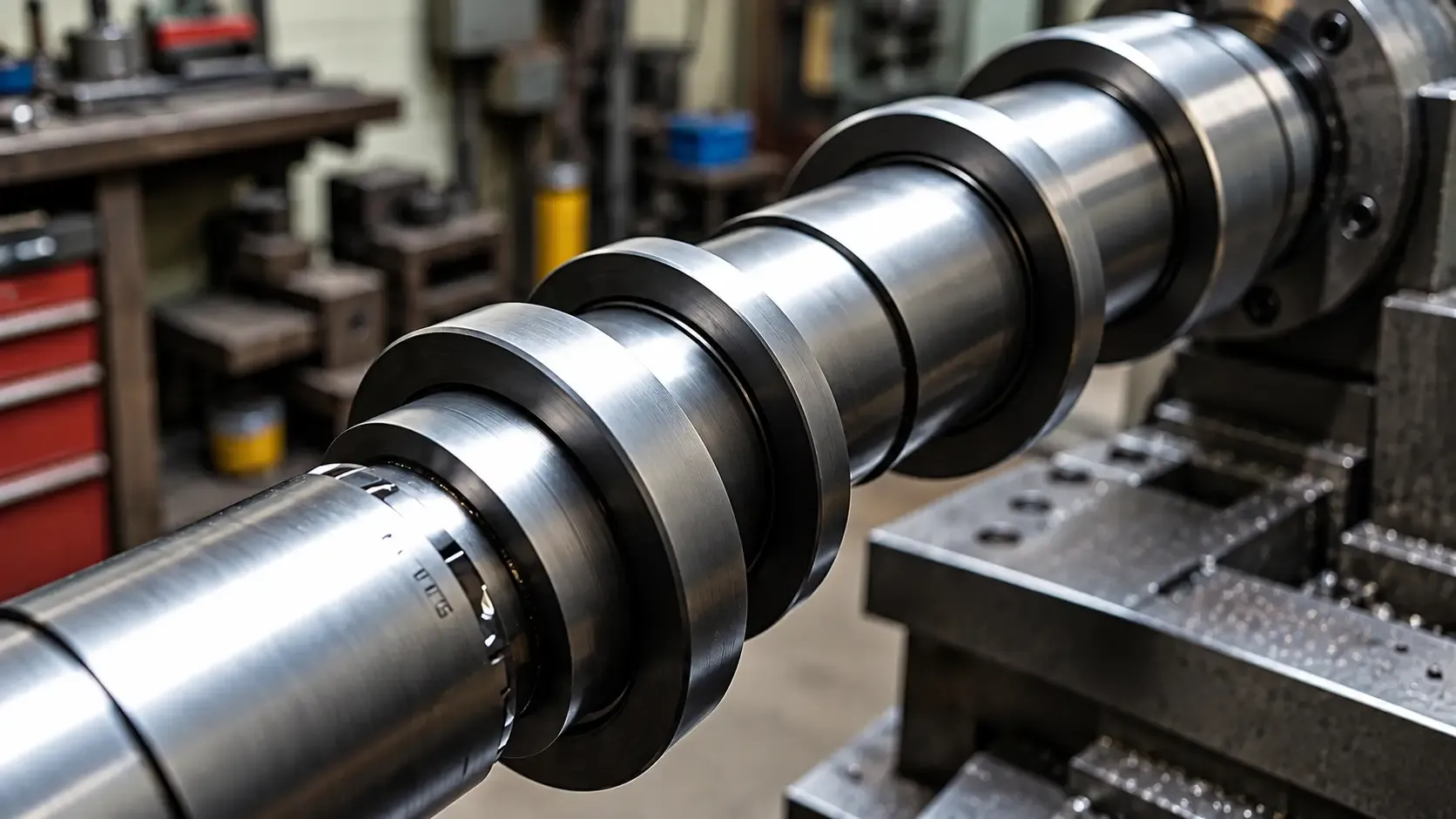
Internal Corners & Reliefs
Avoid sharp internal corners where tool geometry cannot reach. Suitable radii and relief grooves improve tool access and reduce unnecessary machining difficulty.
Recommended
- Allow practical corner radii and tool reliefs
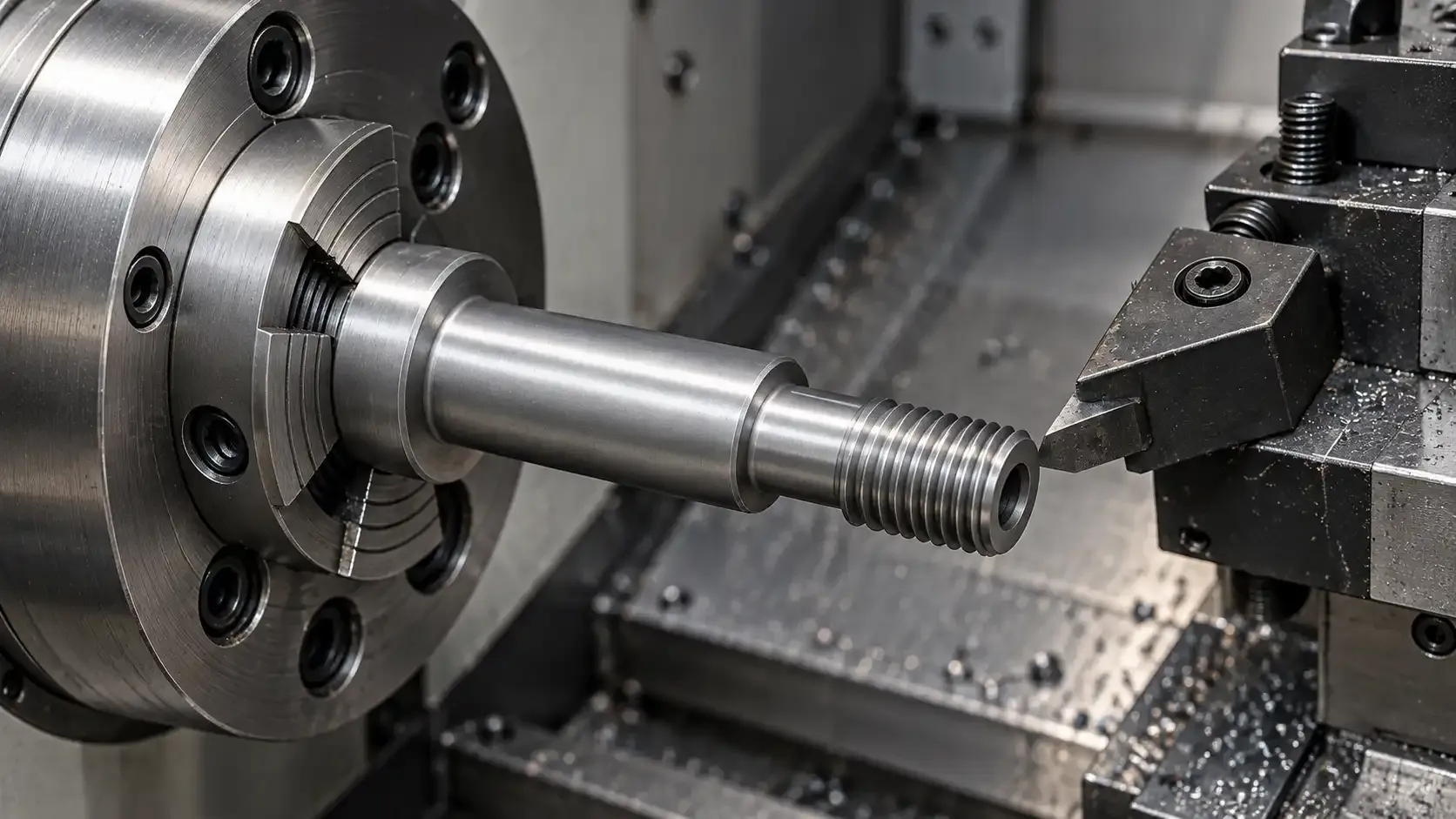
Thread Design
Standardize thread specifications and avoid excessive thread depths or lengths. This helps reduce special tooling requirements and machining costs.
Recommended
- Use standard thread sizes and appropriate engagement lengths
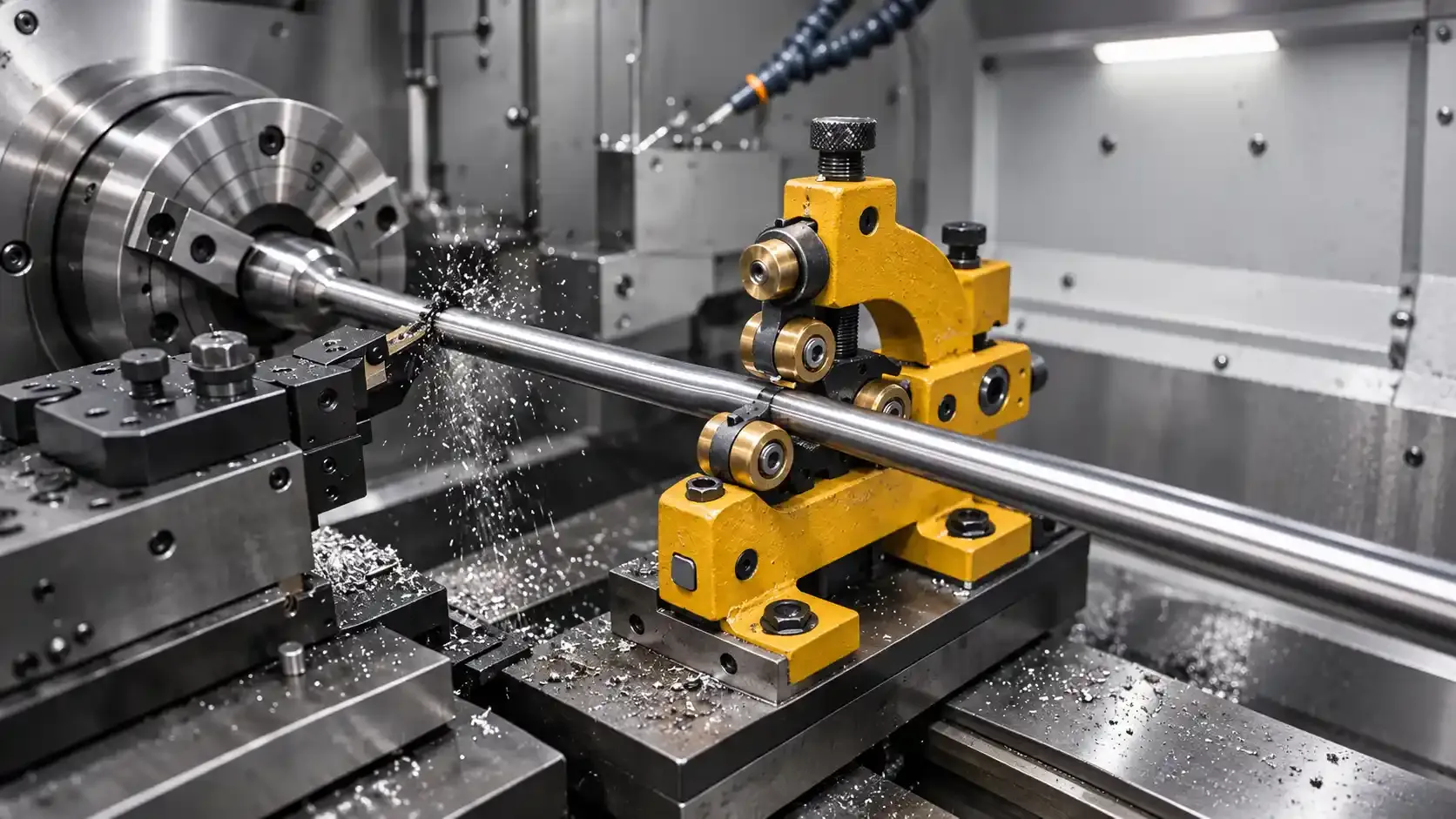
Long & Slender Parts
Long, slender parts are more susceptible to vibration and deflection. Consider part rigidity and support requirements early to improve machining stability.
Recommended
- Minimize unsupported length-to-diameter ratios
How to Reduce CNC Turning Costs
Specify Only Necessary Tolerances
Avoid unnecessarily tight tolerances on non-critical features to reduce machining and inspection costs.
Choose Standard Stock Sizes
Design around commonly available bar diameters to minimize material waste and preparation time.
Simplify Machining Setups
Reduce unnecessary features and repositioning to shorten machining cycles and improve production efficiency.
CNC Turning From Prototypes to Production
From one-off prototypes to repeat production, TigerHubs provides flexible CNC turning solutions for every stage of your project. Whether you're validating a new design, launching a pilot batch, or managing ongoing orders, we help you scale production as your needs evolve.

Rapid Prototyping
Turn your designs into functional CNC turned prototypes for fit testing, design validation, and early product development—before committing to larger production runs.

Low-Volume Production
Support pilot runs, product launches, and small-batch orders with flexible production quantities, helping you avoid unnecessary inventory and upfront commitments.

Repeat Production
Simplify recurring CNC turning orders with approved drawings and consistent production requirements, helping maintain continuity as demand grows.
CNC Turning Applications Across Industries
From industrial automation to aerospace and medical equipment, CNC turning supports the production of critical cylindrical components across a wide range of industries. TigerHubs helps manufacturers source custom turned parts designed for reliable fit, movement, and performance in their specific applications.
Get a Custom CNC Turning Quote
Industrial Automation
CNC turned shafts, rollers, and couplings support accurate positioning, smooth mechanical movement, and reliable operation in automated machinery.
- Typical Parts
- Shafts, rollers, spacers, couplings

Robotics
Precision turned components are used in robotic joints and motion systems where alignment, rotational stability, and compact mechanical assemblies are essential.
- Typical Parts
- Joint pins, bushings, sleeves, motor shafts

Automotive & EV Equipment
CNC turning produces functional components for vehicle assemblies, electric drivetrains, and automotive manufacturing equipment that require dependable fit and durability.
- Typical Parts
- Shafts, bushings, threaded fittings, connectors

Aerospace Equipment
CNC turned components can support aircraft tooling, instrumentation, and aerospace equipment where lightweight construction and precise mechanical interfaces matter.
- Typical Parts
- Spacers, fittings, instrument housings

Medical Equipment
CNC turning is suitable for selected medical equipment components requiring compact geometry, material compatibility, and dependable mechanical connections.
- Electronics & Semiconductor Equipment
- Precision turned metal and plastic components support electrical connections, insulation, and positioning in electronic and semiconductor manufacturing equipment.

Electronics & Semiconductor Equipment
Precision turned metal and plastic components support electrical connections, insulation, and positioning in electronic and semiconductor manufacturing equipment.
- Typical Parts
- Connectors, inserts, insulating spacers
Frequently Asked Questions
Learn MoreCNC turning rotates the workpiece against a cutting tool and is especially suitable for cylindrical parts. CNC milling generally uses rotating cutting tools to machine stationary or repositioned workpieces. Parts with both rotational and non-round features may benefit from a combined turn-mill approach.
Yes, selected CNC turning centers equipped with live tooling and suitable axes can produce cross-holes, flats, and milled features. Additional milling operations may be required depending on the equipment and geometry.
These parts require careful consideration of rigidity, clamping, material behavior, and cutting conditions. Share your design for feasibility evaluation and suitable machining recommendations.
A 3D CAD model in STEP or another supported format is recommended. A 2D technical drawing is particularly important when your part requires specified tolerances, surface roughness, threads, or inspection requirements.
Pricing typically depends on material, stock size, machining time, tool access, quantity, tolerances, finishing, inspection, and any secondary operations.
First article inspection requirements can be discussed during project review. Specify the applicable drawing revision, critical dimensions, inspection standard, and required report format before production.
Repeat production can be planned against approved drawings, production quantities, manufacturing resources, and agreed quality requirements. Project-specific availability and lead times should be confirmed during quotation.
Yes, you can submit alternative material or finishing requirements for evaluation. Different options may affect manufacturing feasibility, pricing, and delivery schedules.
Ready to Start Your CNC Turning Project?
Upload your CAD files and technical drawings to get a custom CNC turning quote. Our team can review your part geometry, materials, critical tolerances, quantity, and finishing requirements to help identify a suitable manufacturing approach.