

Custom CNC Milling Services
Get precision CNC milled metal and plastic parts with TigerHubs. From custom housings and brackets to complex mechanical components, our manufacturing network supports your projects with flexible machining resources and reliable production coordination.
- Complex Geometry Machining
- ISO 13485、ISO 9001、IATF 16949、AS9100
- Prototype to Production
Our CNC Milling Services
TigerHubs helps match your part geometry with the right CNC milling process. From straightforward prismatic components to complex multi-sided parts, selecting the appropriate machining approach can reduce setups, improve tool accessibility, and optimize manufacturing costs.
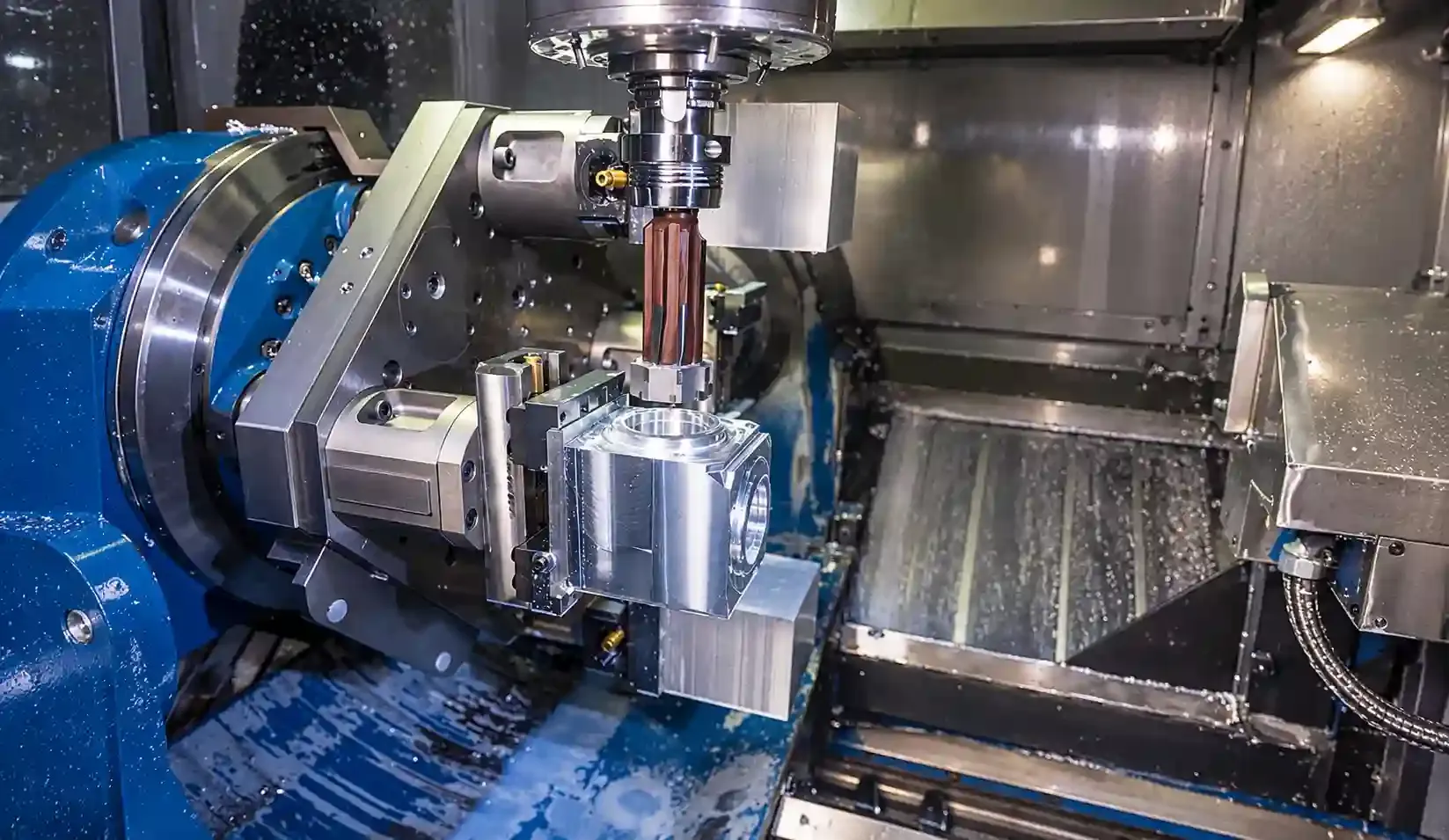
3-Axis CNC Milling
An efficient solution for parts with accessible surfaces and straightforward geometry. Ideal for minimizing machining complexity and production costs.
Best For
- Plates, brackets, simple housings
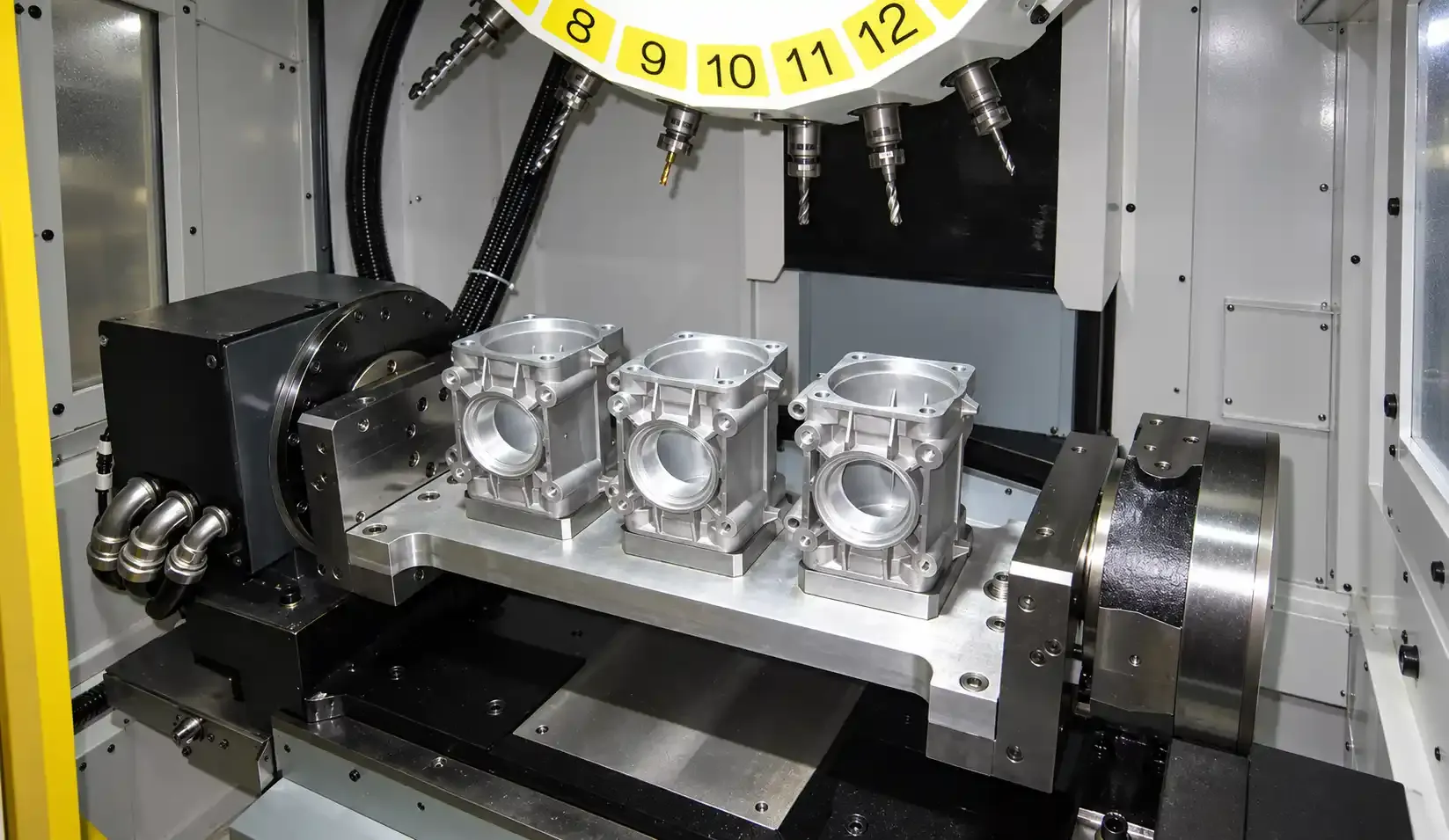
4-Axis CNC Milling
Adds rotary positioning to machine multiple sides of a part with fewer manual setups, improving efficiency for complex feature orientations.
Best For
- Multi-sided housings, indexed features, rotary components
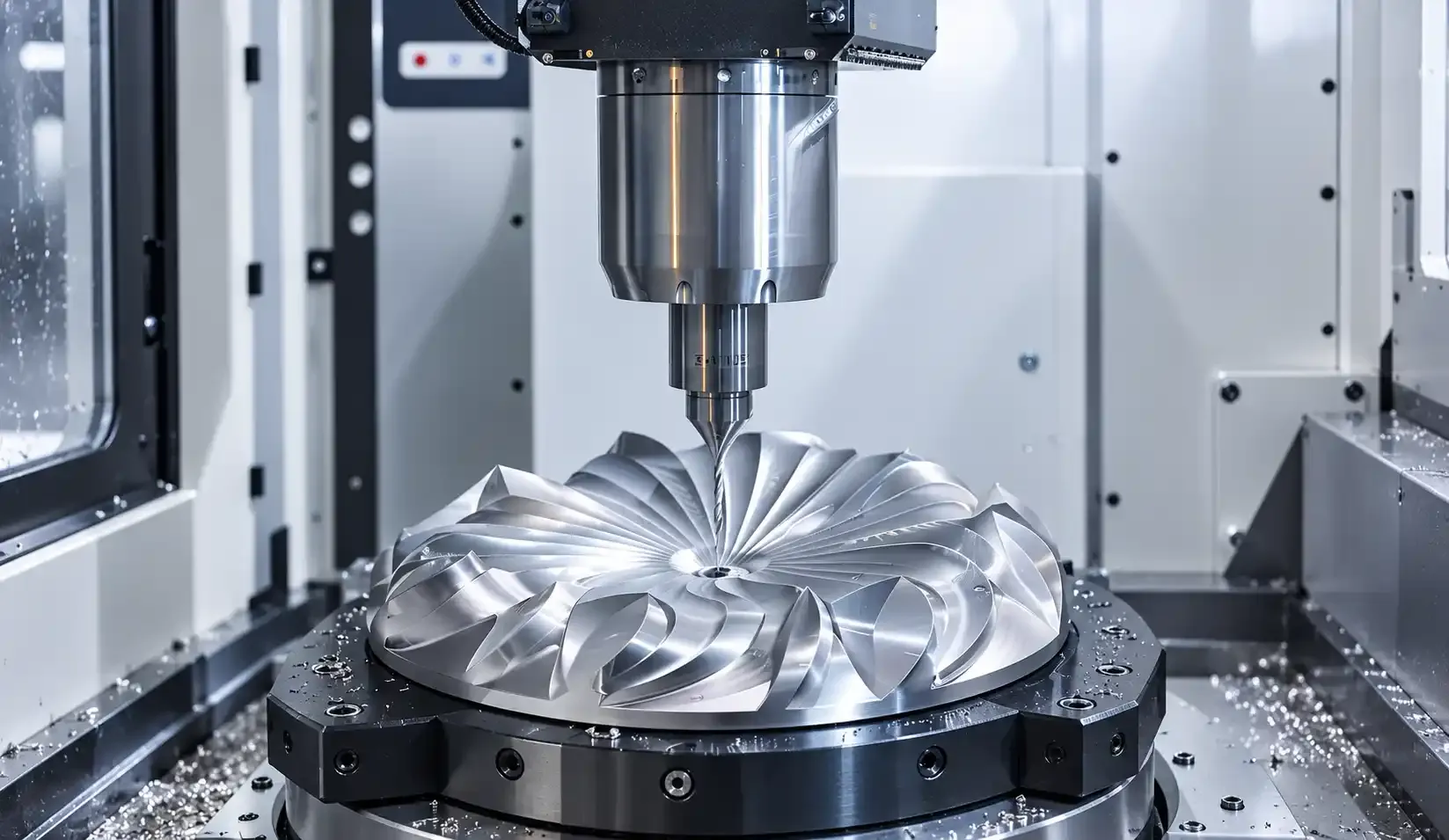
5-Axis CNC Milling
Provides greater tool accessibility for angled features and complex surfaces, helping reduce repositioning and improve machining flexibility.
Best For
- Complex housings, impellers, contoured components
CNC Milling Capabilities & Specifications
Explore CNC milling capabilities for parts ranging from small precision components to large mechanical structures. TigerHubs evaluates part dimensions, feature sizes, and machining accessibility to match your project with suitable manufacturing resources.
| Technical Specification | Reference Capability |
|---|---|
| Maximum 3-Axis Milling Size | Up to 1,000 × 600 × 500 mm |
| Maximum 4-Axis Milling Envelope | Up to 600 × 500 × 400 mm |
| Maximum 5-Axis Milling Envelope | Up to 500 × 500 × 400 mm |
| Minimum Part Size | 5 × 5 × 5 mm |
| Minimum Machined Feature Size | Down to 0.5 mm |
| Recommended Metal Wall Thickness | ≥0.8 mm |
| Recommended Plastic Wall Thickness | ≥1.5 mm |
| Machining Accessibility | Single-side and multi-face features |
| Geometric Complexity | Pockets, slots, contours, and angled features |
Why Choose TigerHubs for CNC Milling?
TigerHubs combines scalable manufacturing resources, engineering support, and coordinated production management to simplify custom CNC milling. We help you reduce sourcing complexity, address manufacturing risks early, and manage projects efficiently from quotation to delivery.
20+
Manufacturing processes
100%
Quality inspection
30+
Countries served
<24h
Engineering response
Scalable CNC Manufacturing Network
Access 300+ CNC machines across our manufacturing network, enabling flexible resource matching for different part complexities and order volumes.
Engineering Support That Reduces Risk
Identify machining challenges and unnecessary design complexity early, helping minimize costly revisions and improve manufacturability.
Streamlined Project Coordination
Keep drawings, manufacturing requirements, and production communication aligned through one coordinated workflow, reducing supplier management effort.
Integrated Manufacturing Solutions
Combine CNC milling with complementary manufacturing processes and surface finishing through one partner, simplifying procurement for complex projects.
CNC Milling Tolerances & Precision Control
Precision CNC milling requires more than accurate dimensions. TigerHubs evaluates critical features, hole positions, flatness, and geometric tolerances to help ensure proper alignment, reliable assembly, and functional performance. Machining requirements are assessed against your drawings and part geometry.
| Critical Feature | Reference Tolerance |
|---|---|
| General Milled Dimensions | ±0.05 mm |
| Precision Features | ±0.01 mm |
| Tight-Tolerance Features | Down to ±0.005 mm* |
| Flatness | 0.02 mm over a defined area* |
| Perpendicularity | Per drawing & GD&T |
| Hole Position | Per datum system & GD&T |
| Profile Tolerance | Per drawing & GD&T |
| Standard Surface Roughness | Ra 1.6–3.2 μm |
| Fine Surface Roughness | Down to Ra 0.8 μm* |
Precision That Supports Part Performance

Accurate Assembly Alignment
Control critical hole locations and mating features to support proper component positioning and consistent assembly.

Stable Mating Surfaces
Define flatness and perpendicularity requirements to improve contact, seating, and alignment between assembled components.

Controlled Complex Geometries
Apply drawing-defined profile tolerances to critical contours and surfaces for accurate mechanical integration.
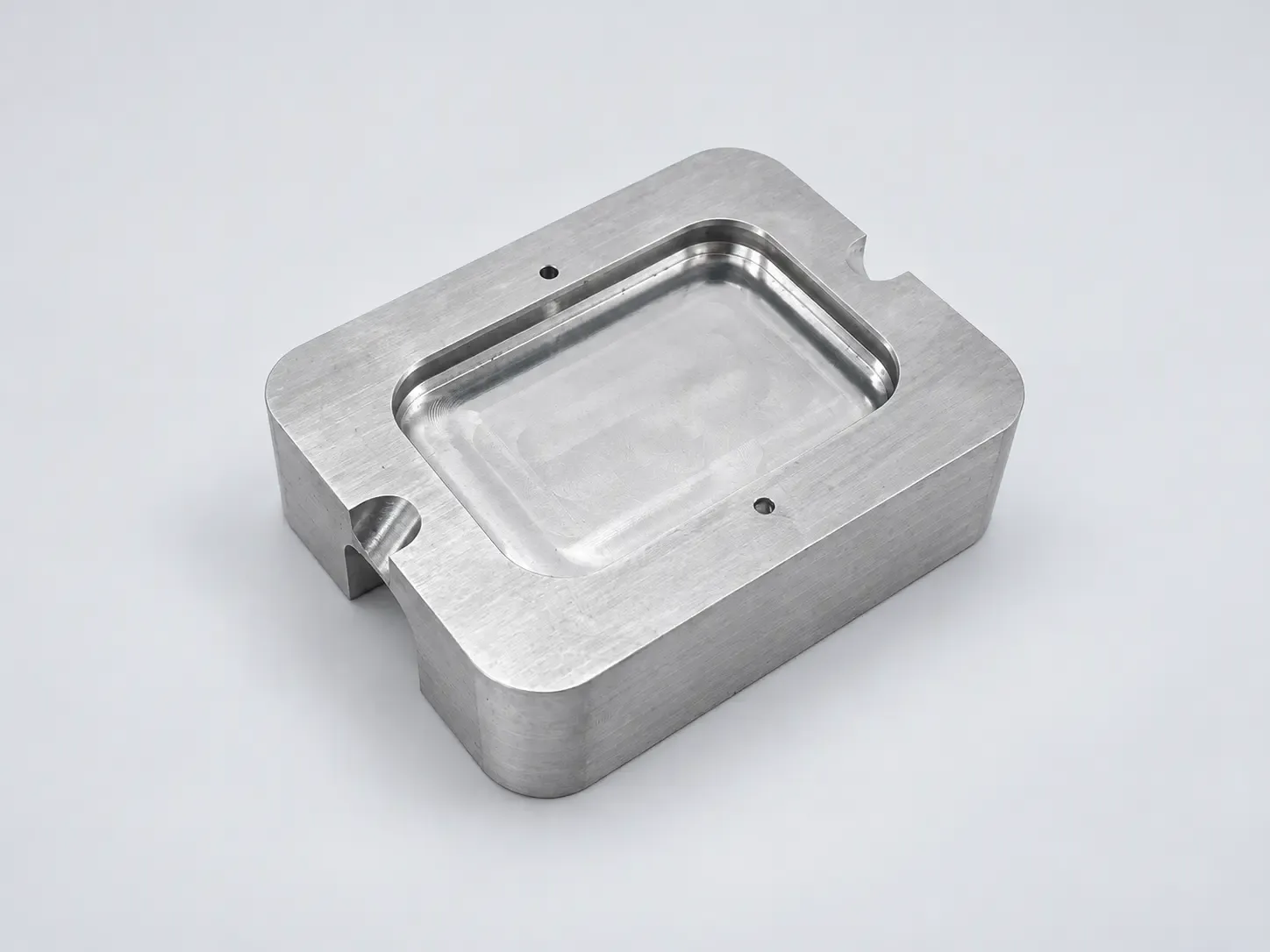
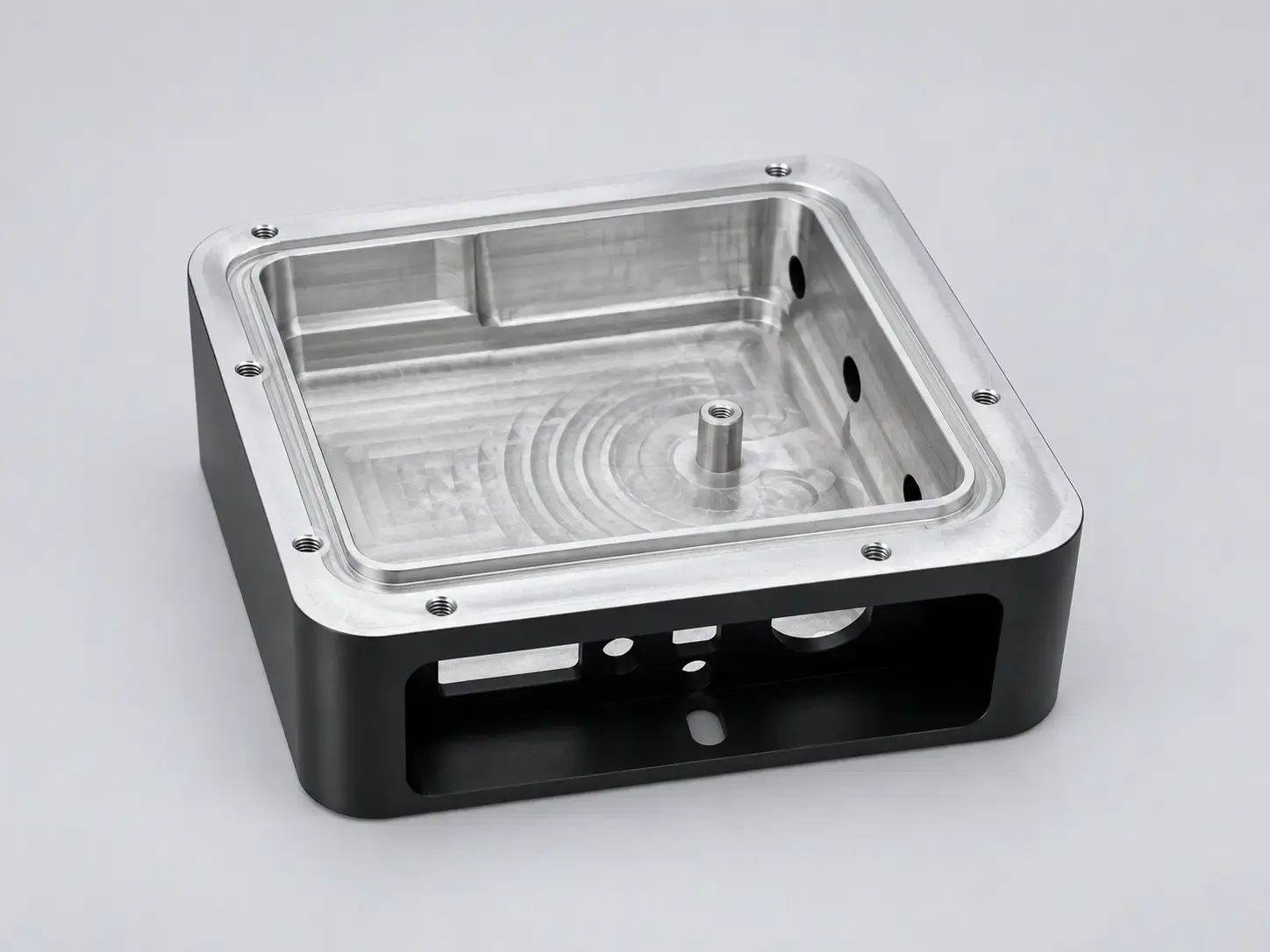
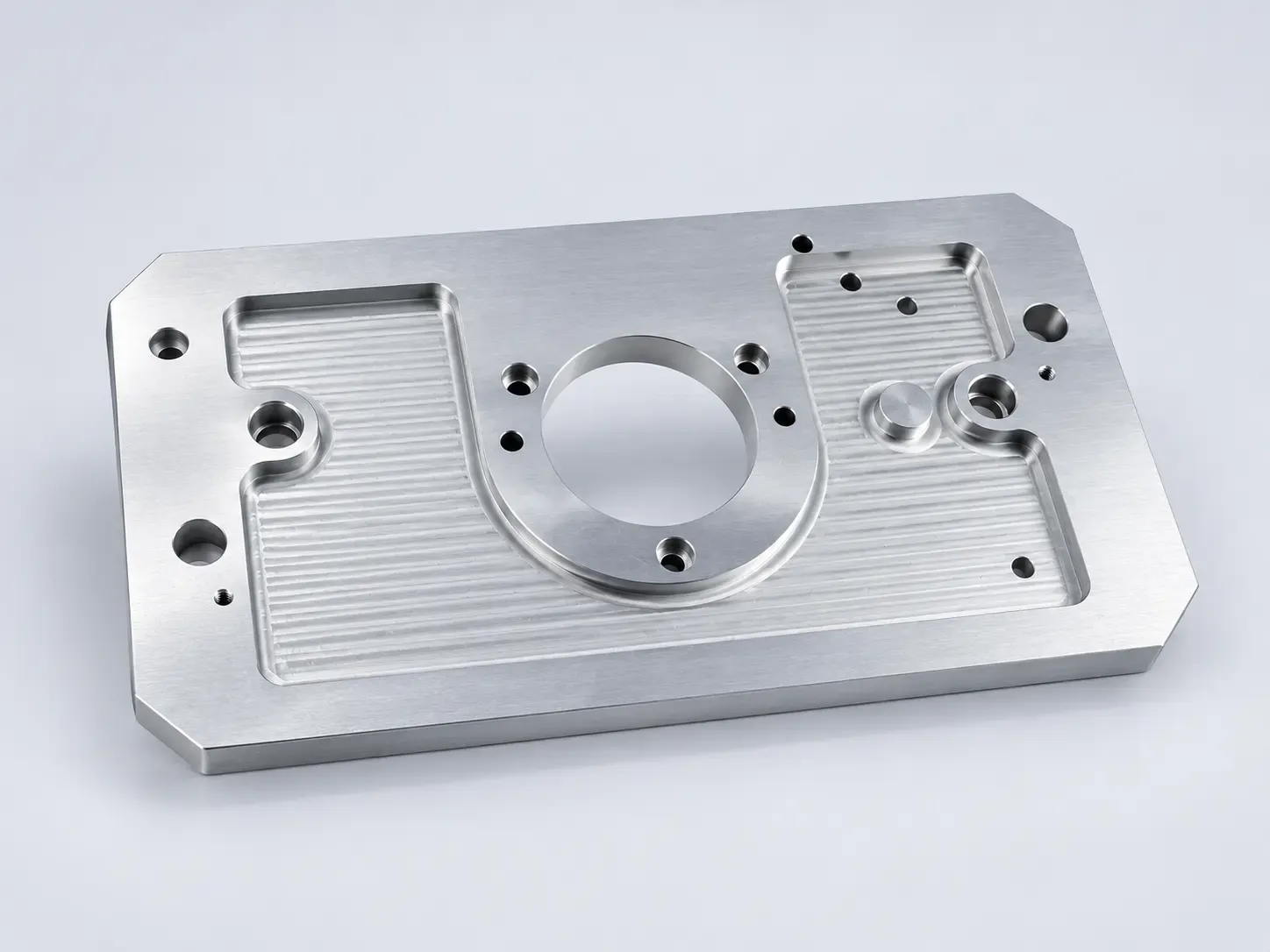
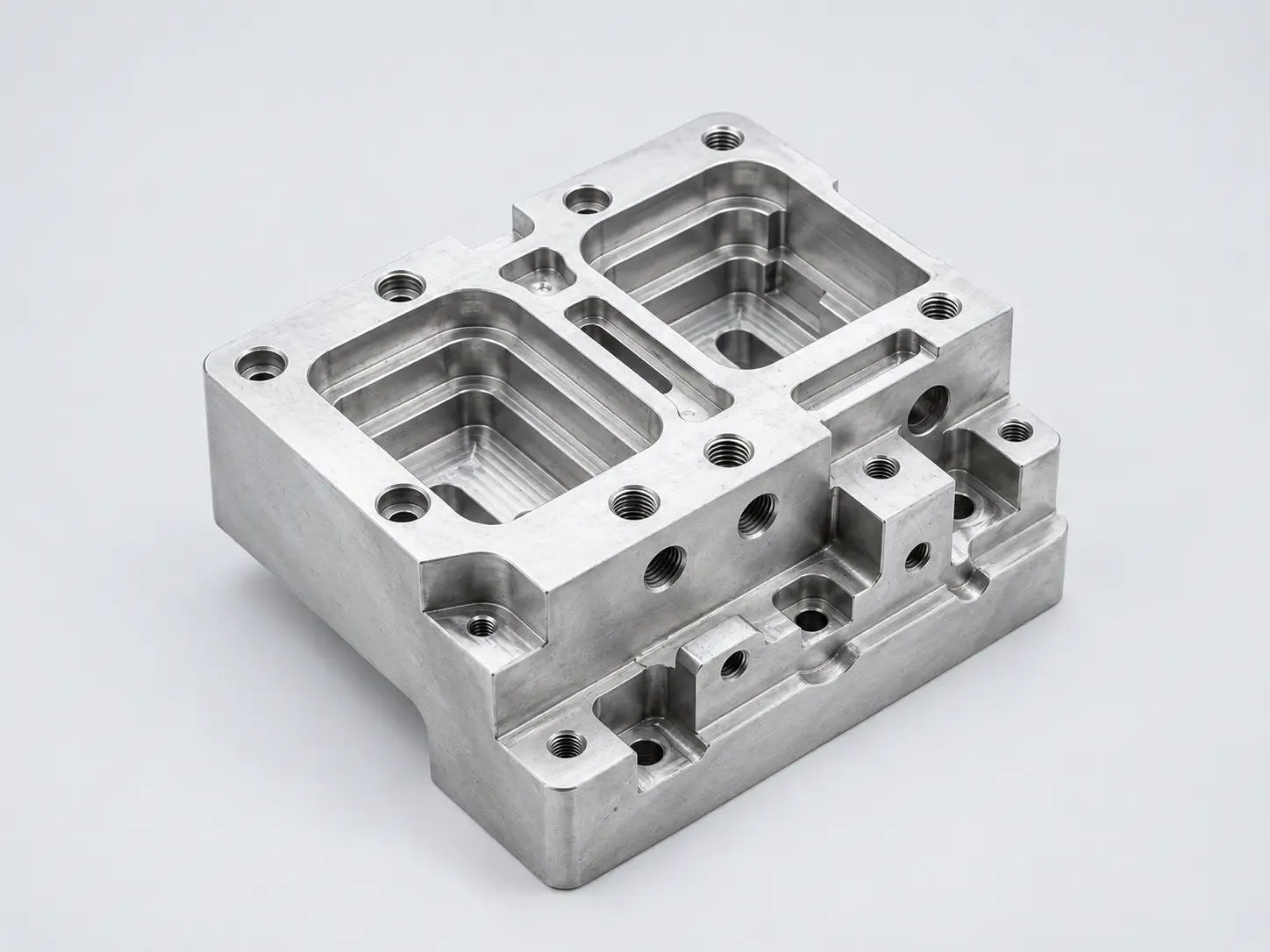
Custom CNC-milled parts manufactured by us


Image 1 of 7
CNC Milling Materials for Metal & Plastic Parts
Choose the right material for your custom CNC milled parts. TigerHubs supports material selection for metal and plastic CNC milling projects, helping you balance machinability, strength, dimensional stability, and cost to meet your application requirements.
Metal Materials
Aluminum
Offers good machinability and efficient material removal, making it suitable for lightweight parts with pockets, contours, and complex features.
Best For
Housings, brackets, heat sinks, fixtures, and structural components.
Common Grades
6061-T6, 7075-T6, 6082
Plastic Materials
ABS
Easy to machine for prototype housings and functional parts, offering a practical balance of toughness and machining cost.
Best For
Prototype enclosures, covers
Common Grades
General-purpose ABS
Surface Finishing for CNC Milled Parts
Enhance your CNC milled parts with surface finishing options tailored to their material and application. TigerHubs helps you select suitable finishes to improve corrosion resistance, wear performance, and appearance while considering critical dimensions and assembly requirements.

As-Machined
Retains the original CNC milled surface, making it a practical choice for functional components without additional finishing requirements.
- Suitable Materials
- Metals & Plastics
- Best For
- Internal brackets, prototypes, fixtures
- Key Benefit
- Lower processing cost

Bead Blasting
Creates a uniform matte appearance on CNC milled housings and brackets, helping reduce the visibility of machining marks.
- Suitable Materials
- Aluminum, Stainless Steel
- Best For
- Enclosures, covers, cosmetic parts
- Key Benefit
- Consistent surface appearance

Type II Anodizing
Adds a protective oxide layer to milled aluminum parts, offering corrosion resistance and optional colors for exposed components.
- Suitable Materials
- Aluminum
- Best For
- Aluminum housings, covers, brackets
- Key Benefit
- Corrosion protection & color

Passivation
Removes free iron contamination from machined stainless steel surfaces, helping maintain corrosion resistance after CNC milling.
- Suitable Materials
- Stainless Steel
- Best For
- Stainless steel housings, brackets
- Key Benefit
- Improved corrosion resistance

Electroless Nickel Plating
Deposits a relatively uniform nickel-based coating on complex milled geometries, including selected recesses and internal features.
- Suitable Materials
- Steel, Aluminum, Copper Alloys
- Best For
- Precision housings, mechanical components
- Key Benefit
- Uniform coating coverage

Powder Coating
Applies a protective decorative coating to milled enclosures and structural parts, offering color options and environmental protection.
- Suitable Materials
- Aluminum, Steel
- Best For
- Equipment housings, mounting brackets
- Key Benefit
- Durable decorative finish

Polishing
Smooths accessible CNC milled surfaces to improve appearance and reduce visible machining marks on cosmetic components.
- Suitable Materials
- Selected Metals
- Best For
- Decorative housings, visible components
- Key Benefit
- Improved surface appearance
CNC Milling Design Guidelines
Design smarter CNC milled parts to reduce machining complexity and production costs. These practical CNC milling design guidelines help optimize internal corners, pocket depths, wall thickness, and tool accessibility for more efficient manufacturing.
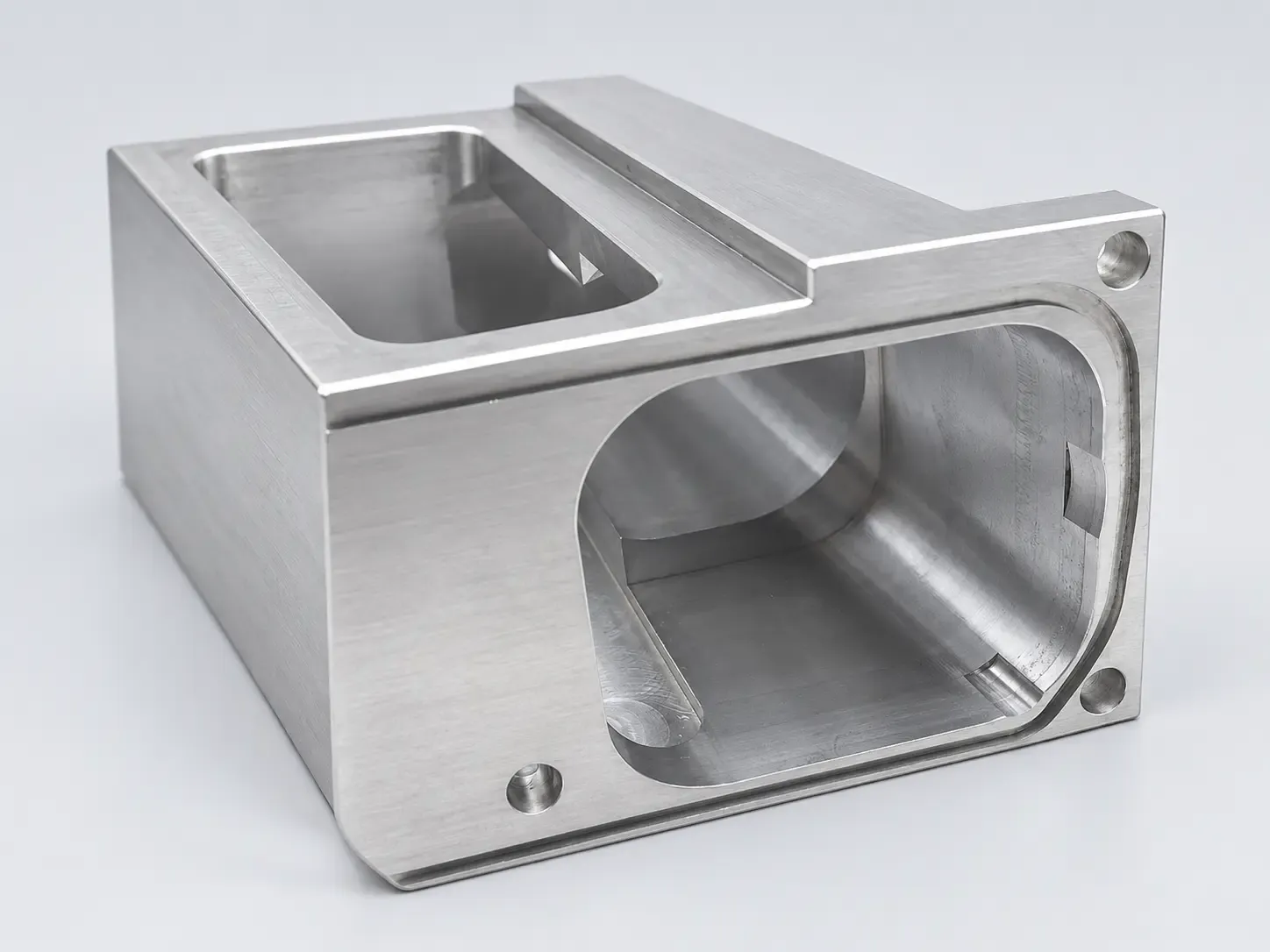
Internal Corner Radius
Avoid unnecessarily sharp internal corners. Larger corner radii allow more efficient cutting tools, reducing machining time and tool wear.
Recommended
- R3 mm or larger where practical
Pocket Depth
Avoid unnecessarily deep, narrow pockets that require long cutting tools. Shallower cavities improve tool stability and machining efficiency.
Recommended
- Depth-to-width ratio ≤3:1 where practical
Wall Thickness
Use sufficient wall thickness to reduce vibration, deflection, and clamping distortion during CNC milling, especially around deep cavities.
Recommended
- ≥0.8 mm for metals; ≥1.5 mm for plastics
Hole Depth & Accessibility
Keep holes accessible and avoid excessive drilling depths where possible. Deep holes may require specialized tooling and longer machining cycles.
Recommended
- Hole depth ≤4× diameter for conventional drilling
Threaded Features
Specify standard threads with sufficient engagement for the application. Avoid unnecessary thread depths that increase tooling and machining requirements.
Recommended
- Standard thread sizes and practical engagement lengths
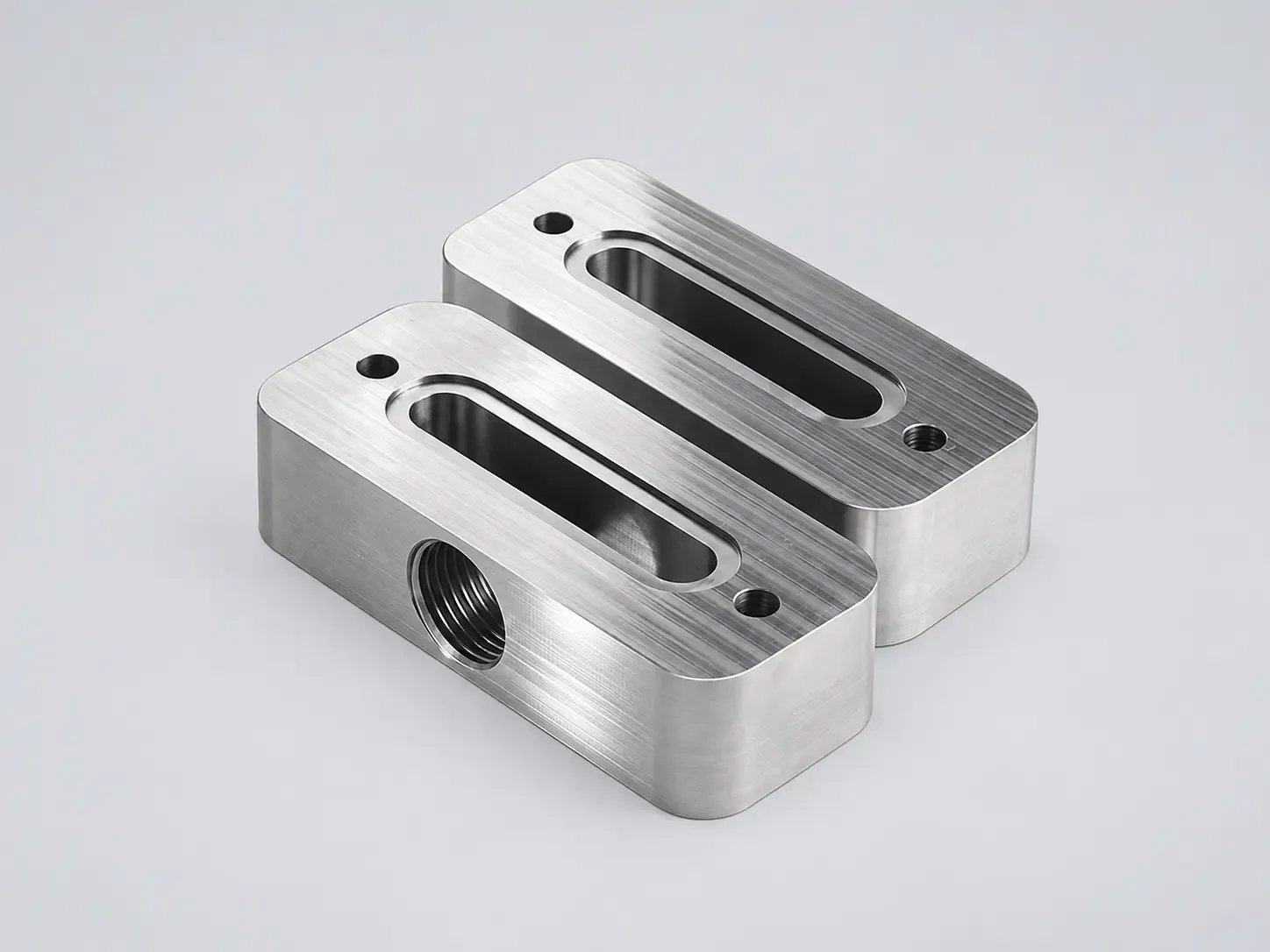
Deep & Narrow Slots
Avoid very narrow, deep slots unless functionally required. Wider, accessible features help improve cutting stability and reduce machining time.
Recommended
- Minimize slot depth relative to width
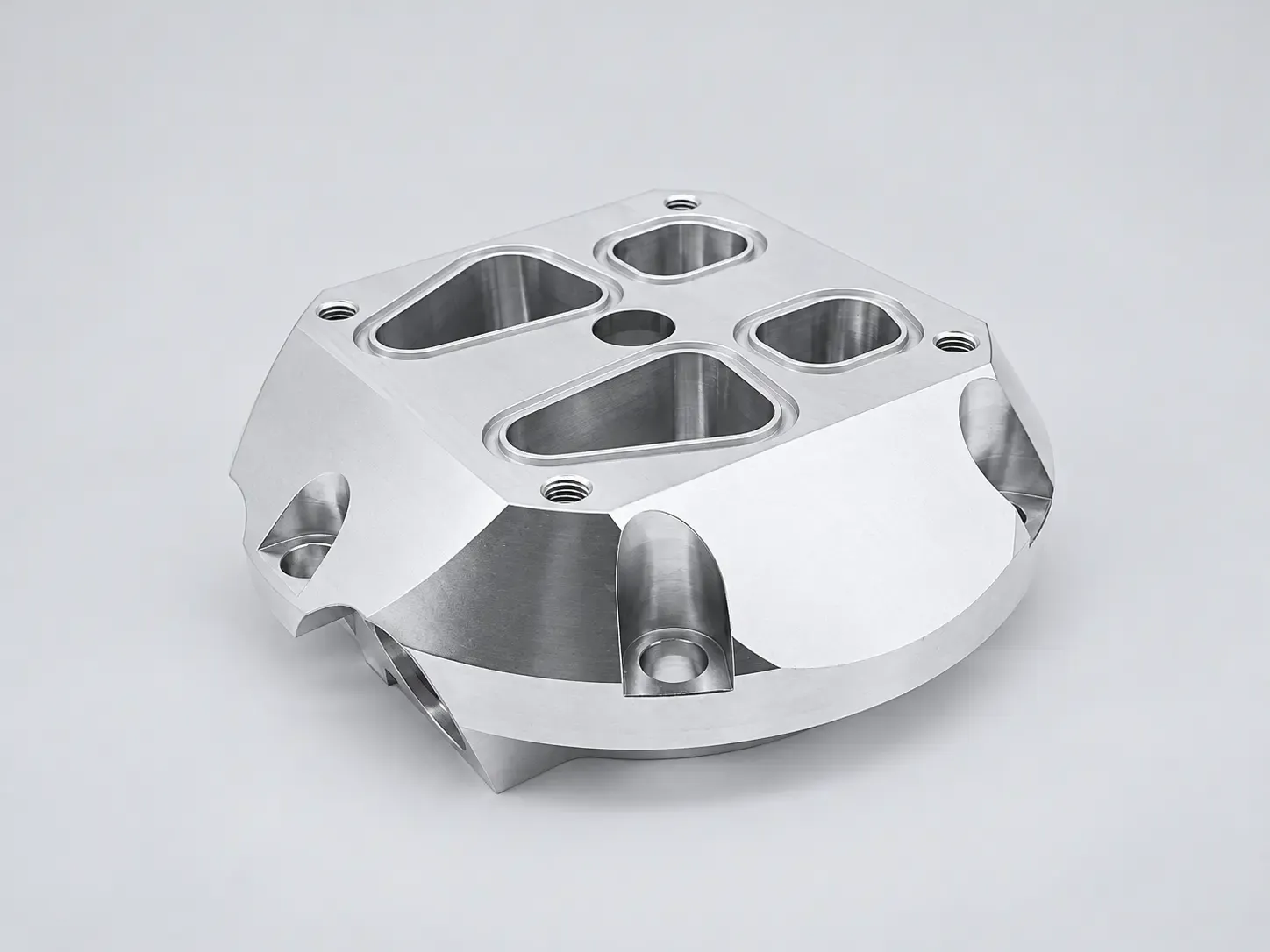
Complex Surfaces & Tool Access
Simplify non-critical contours and provide adequate tool clearance. This can reduce complex toolpaths, setups, and unnecessary finishing passes.
Recommended
- Prioritize accessible features and functional surfaces
Reduce CNC Milling Costs Through Better Design
Reduce Deep Cavities
Simplify unnecessary pocket depth to reduce long-tool requirements and machining time.
Allow Larger Internal Radii
Use practical corner radii to enable more efficient cutting tools and reduce machining passes.
Minimize Complex Setups
Improve feature accessibility to reduce repositioning and unnecessary machining operations.
Custom CNC Milling Solutions
From one-off prototypes to repeat production, TigerHubs supports CNC milling projects at every stage of product development. Whether you're validating a new design, producing pilot batches, or managing recurring orders, we help you scale production while reducing sourcing complexity.

Rapid CNC Prototyping
Turn your CAD designs into functional CNC milled prototypes for fit testing, assembly validation, and design refinement before committing to production.
- Quantity: 1–100 Parts
- Lead Time: 1–3 days
- Best For: One-off prototypes, functional testing, design iterations

Low-Volume CNC Milling
Produce small batches for pilot runs and early product launches without unnecessary inventory commitments, keeping production flexible as demand develops.
- Quantity: 101-10000 Parts
- Lead Time: 3-15 days
- Best For: Pilot builds, small-batch orders, market validation

High-Volume CNC Milling
Support recurring manufacturing orders using approved designs and established project requirements, helping simplify reordering and maintain supply continuity.
- Quantity: ≥10000 Parts
- Lead Time: 15-30 days
- Best For: OEM components, recurring orders, ongoing production
CNC Milling Quality Control & Inspection
TigerHubs supports quality control throughout CNC milling production, from initial setup verification to final inspection. Critical features are checked against agreed drawings and inspection requirements to help reduce defects, improve batch consistency, and support reliable assembly.
Pre-Production Verification
Review material specifications, drawing revisions, critical features, and machining setup requirements before production to reduce avoidable errors.
First Article & In-Process Inspection
Verify initial parts and monitor key machining characteristics during production to identify deviations before they affect entire batches.
Final Inspection & Release
Check finished CNC milled parts against agreed acceptance criteria and document inspection results as required before shipment.

Frequently Asked Questions
Learn MoreCNC milling uses rotating cutting tools to machine fixed or repositioned workpieces, making it well suited for prismatic shapes and multi-face features. CNC turning primarily rotates the workpiece and is particularly suitable for cylindrical components.
5-axis machining may be appropriate when a part requires angled features, complex surfaces, or tool access that would otherwise require multiple setups. The preferred approach depends on geometry, quantity, and cost.
Yes, within suitable tooling and machine limits. Deep or narrow features may require smaller cutters, additional machining time, or specialized strategies. A DFM review helps assess feasibility.
A STEP file can provide the required 3D geometry for evaluation. A separate drawing is recommended for critical dimensions, GD&T, threads, surface requirements, and inspection instructions.
Not always, but unnecessarily tight requirements can increase toolpath complexity, setup time, and inspection effort. Functional tolerances should be defined where they are needed.
Depending on the project, CNC milling can be used with turning, casting, additive manufacturing, or other processes to produce finished functional components.
Cost depends on material, stock size, geometry, machining time, axis requirements, setups, quantities, finishing, and inspection requirements.
Yes. CNC milled prototypes can support functional testing, fit checks, and initial manufacturing validation. Production tooling, fixturing, and process controls may still need adjustments for larger batches.
Ready to Start Your CNC Milling Project?
Upload your CAD files and drawings to get a custom CNC milling quote. Share your material, quantity, critical features, and delivery requirements so TigerHubs can review your project's manufacturing needs.