

Custom 3D Printing Services
Get custom metal and plastic 3D printed parts with TigerHubs. From complex functional components to rapid prototypes, our industrial 3D printing services combine flexible manufacturing resources and engineering support to bring your designs into production.
- Tolerances as fine as ±0.2 mm.
- Lead time as fast as 1 day
- ISO 9001:2015, ISO 13485, ISO14001:2015, IATF 16949:2016 certified
Our 3D Printing Services
Explore industrial 3D printing technologies for custom metal and plastic parts. TigerHubs helps you select suitable additive manufacturing processes based on part complexity, functional requirements, surface quality, and production cost.
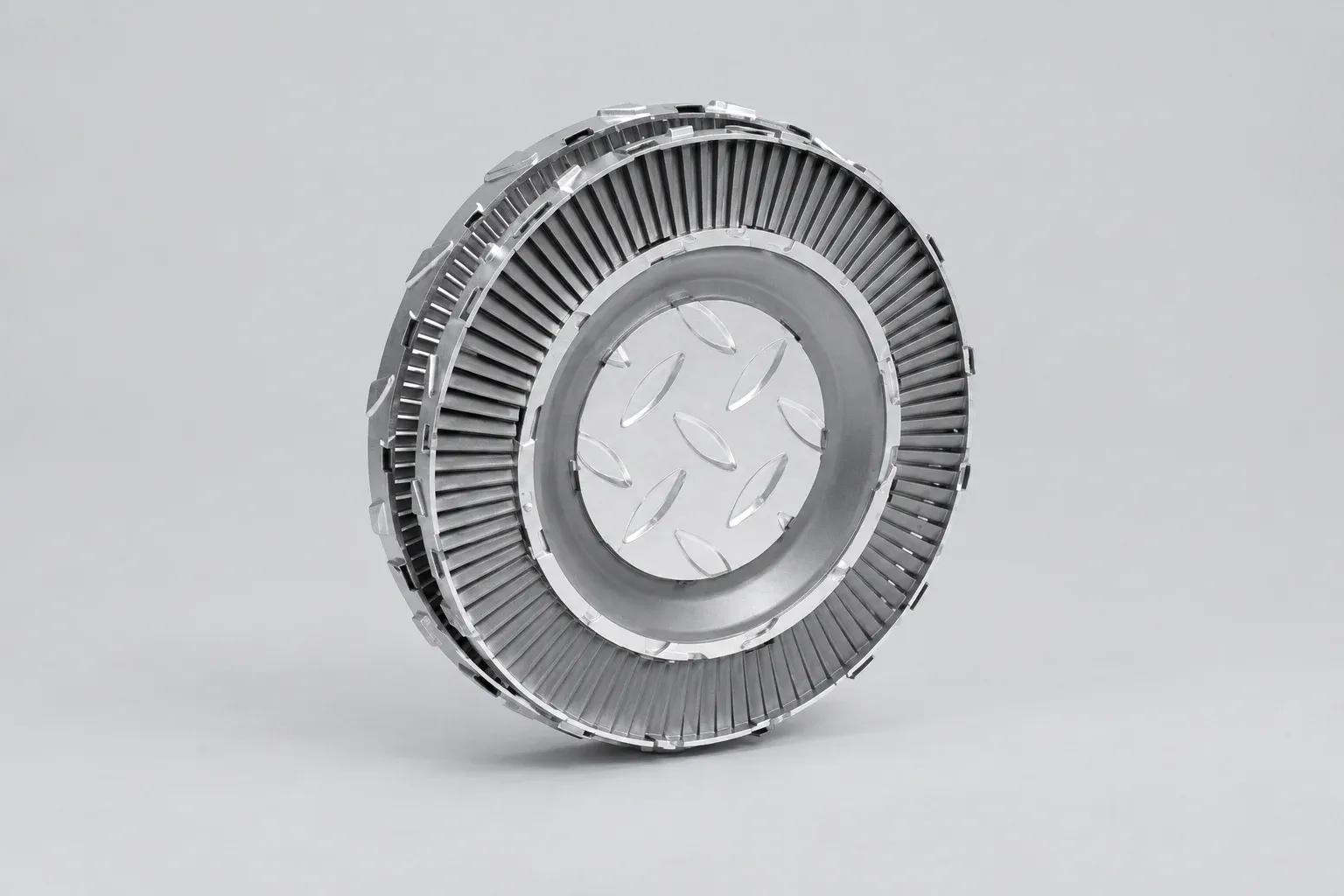
SLM - Selective Laser Melting
Uses laser powder bed fusion to produce complex metal components with internal channels, lightweight structures, and integrated features that are difficult to manufacture conventionally.
Best For
- Metal manifolds, lightweight brackets, thermal components
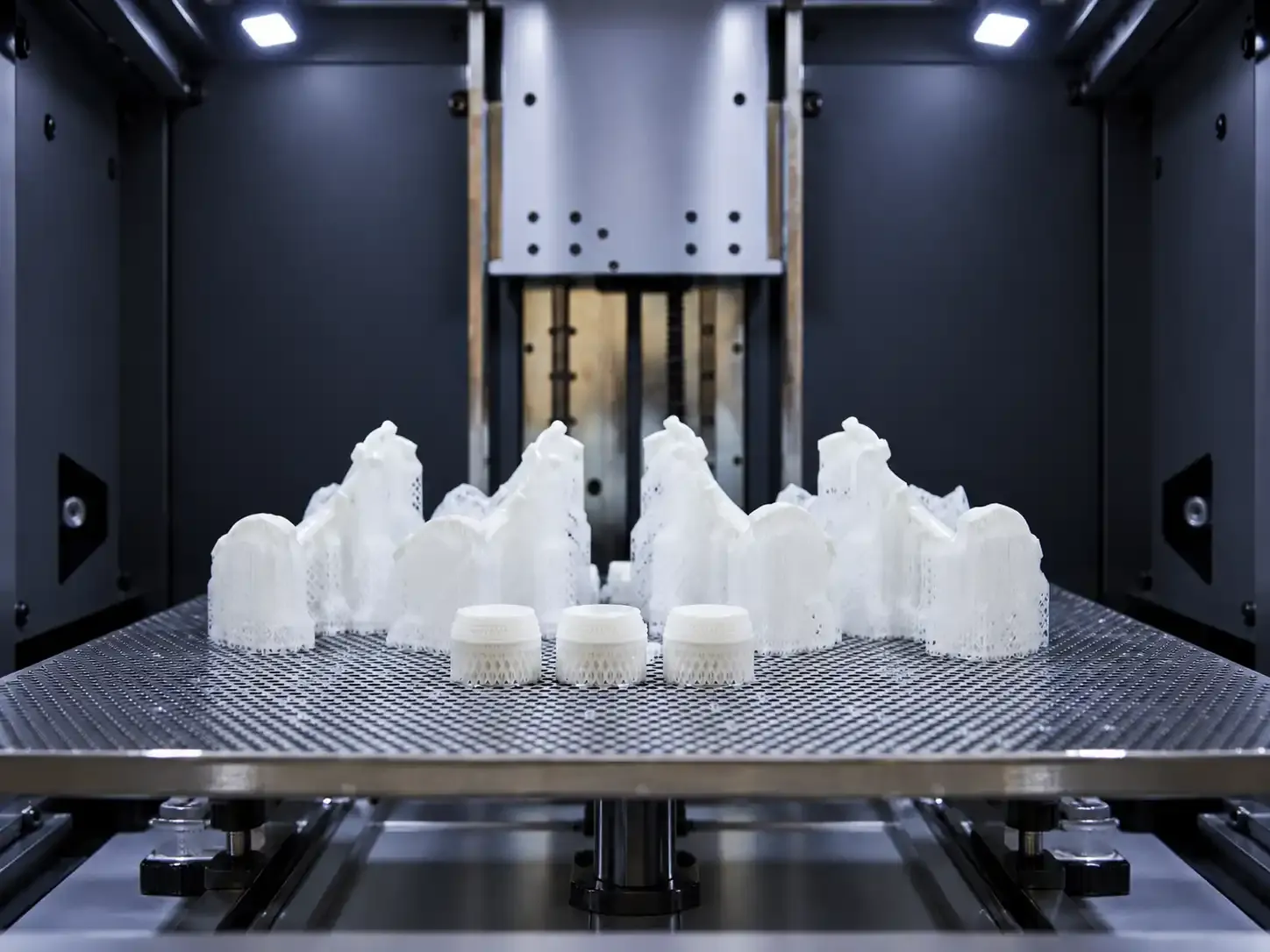
SLA — Stereolithography
Produces high-detail resin parts with smooth surfaces, ideal for visual prototypes, intricate features, and appearance-focused models.
Best For
- Detailed prototypes, cosmetic housings, master patterns
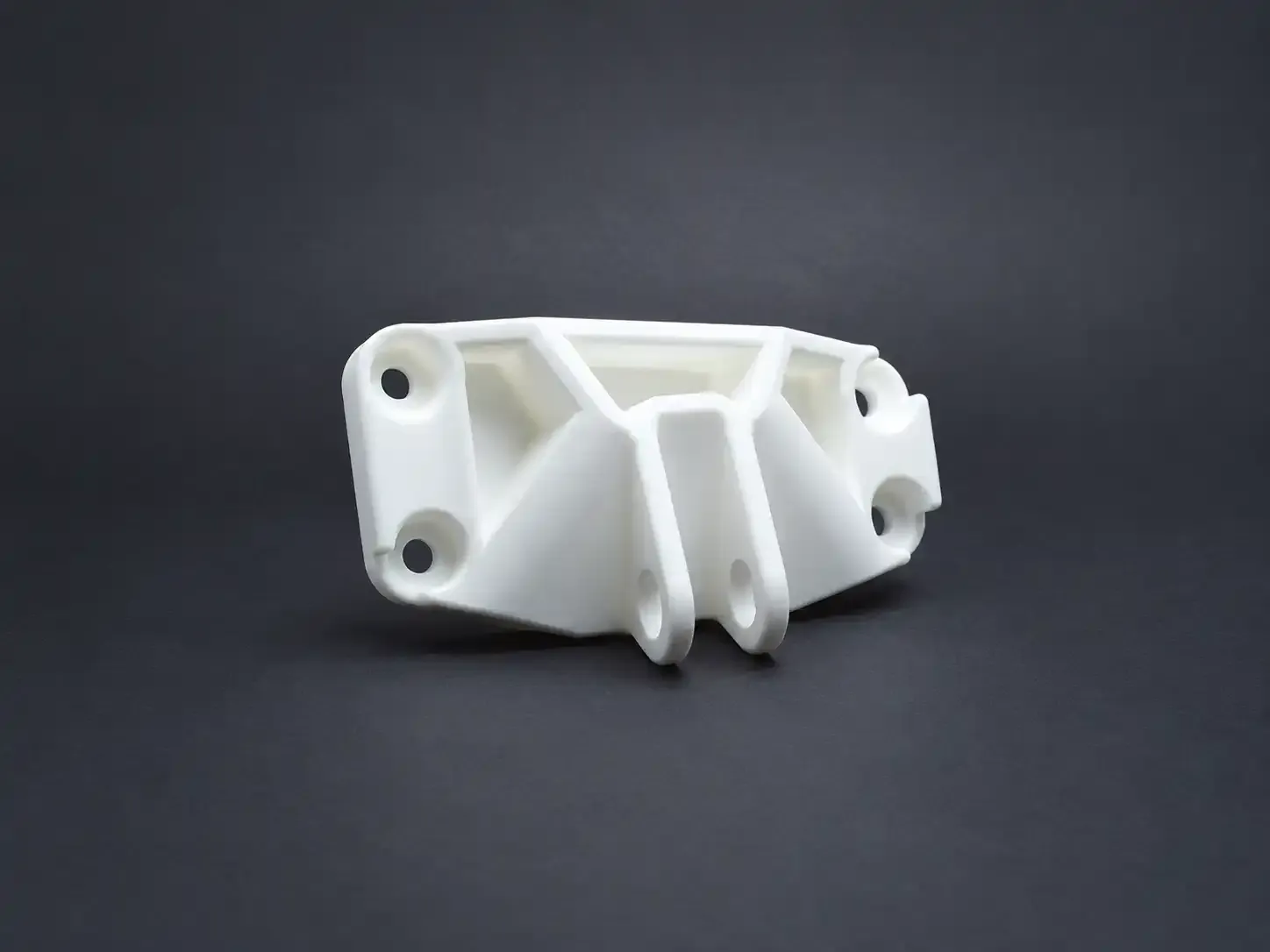
SLS — Selective Laser Sintering
Builds functional nylon parts with complex geometries using powder-bed technology, without conventional printed support structures.
Best For
- Functional brackets, snap-fit parts, complex nylon housings
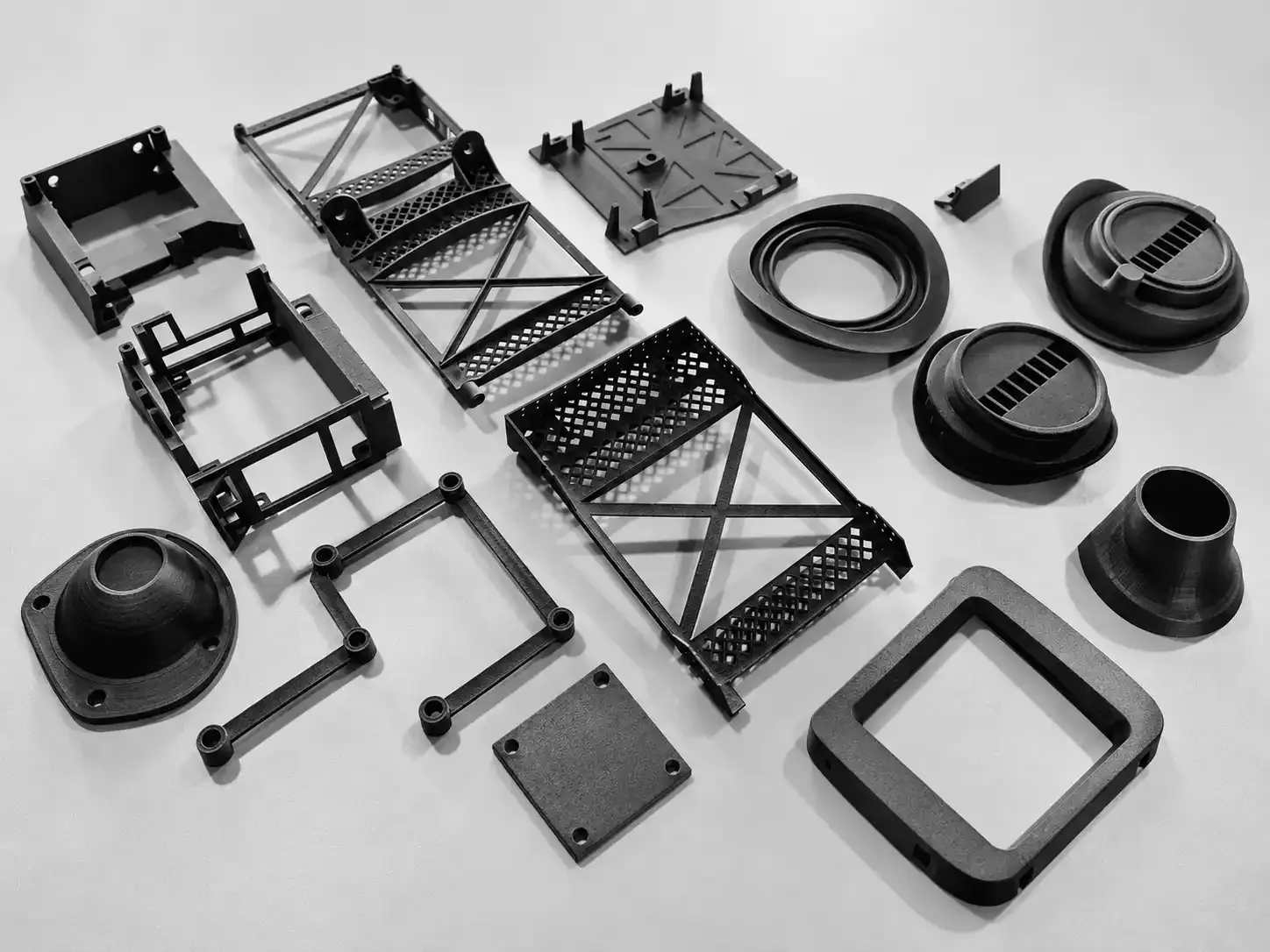
MJF — Multi Jet Fusion
Produces detailed nylon components with efficient batch manufacturing potential, suitable for functional prototypes and small production runs.
Best For
- Functional enclosures, connectors, low-volume nylon parts
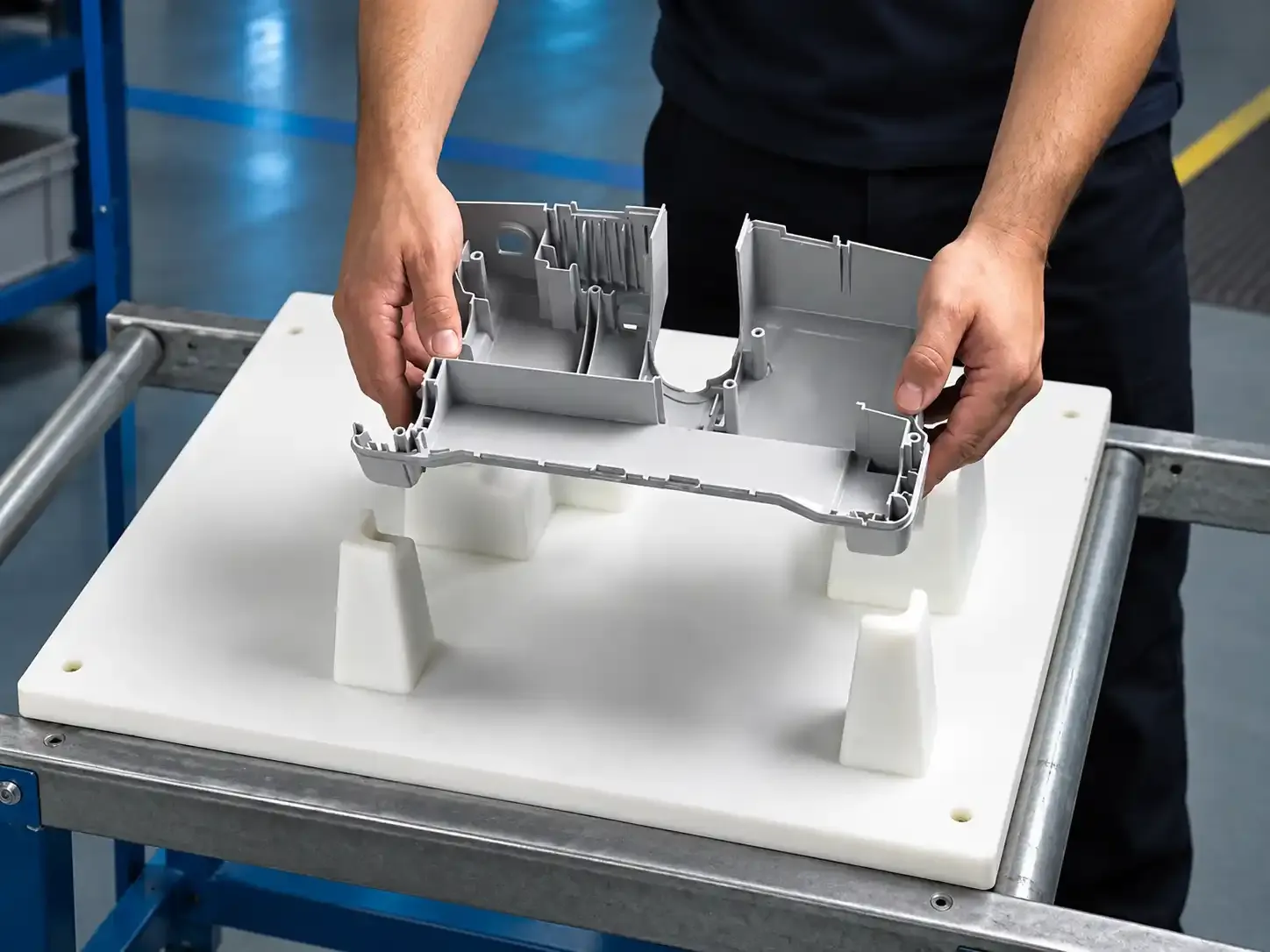
FDM — Fused Deposition Modeling
Creates thermoplastic parts through material extrusion, offering a cost-effective option for concept validation, larger prototypes, and manufacturing aids.
Best For
- Concept models, jigs, fixtures, prototype components
Why Choose TigerHubs for 3D Printing?
TigerHubs combines scalable additive manufacturing resources, engineering support, and coordinated project management to simplify custom 3D printing. We help you choose suitable production solutions, reduce sourcing complexity, and manage manufacturing projects more efficiently.
Scalable Manufacturing Network
Access metal and plastic 3D printing resources across our manufacturing network, providing flexibility for different part requirements and production volumes.
Engineering-Driven Solutions
Identify manufacturing challenges early and select suitable 3D printing approaches based on part geometry, performance needs, and project costs.
Streamlined Project Management
Simplify communication and production coordination through a structured workflow that keeps technical requirements and project expectations aligned.
Integrated Manufacturing Services
Combine industrial 3D printing with CNC machining, surface finishing, and inspection support through one manufacturing partner to simplify procurement.
Our 3D Printing Capabilities & Specifications
Explore industrial 3D printing capabilities for metal and plastic parts. Compare build sizes, layer thicknesses, and dimensional tolerances across different technologies to assess manufacturing feasibility and select a suitable process for your design.
| Technology | Reference Build Size (mm) | Typical Layer Thickness | Reference Tolerance |
|---|---|---|---|
| SLA | 600 × 600 × 400 | 0.05–0.10 mm | ±0.2 mm or ±0.2%, whichever is greater |
| SLS | 380 × 330 × 400 | 0.08–0.15 mm | ±0.3 mm or ±0.3%, whichever is greater |
| MJF | 380 × 280 × 380 | Approx. 0.08 mm | ±0.3 mm or ±0.3%, whichever is greater |
| FDM | 400 × 400 × 400 | 0.10–0.30 mm | ±0.5 mm or ±0.5%, whichever is greater |
| SLM | 250 × 250 × 300 | 0.02–0.06 mm | ±0.2 mm or ±0.2%, whichever is greater |
3D Printing Materials for Metal & Plastic Parts
Explore metal alloys and engineering polymers for industrial 3D printing. TigerHubs helps you select suitable materials based on printing technology, mechanical performance, design requirements, and cost—so your parts meet their intended application needs.
Metal Materials
Aluminum AlSi10Mg
A lightweight aluminum alloy suitable for complex printed geometries, offering good thermal performance for functional metal components.
Best For
Lightweight brackets, heat exchangers
Printing Technology
SLM
Plastic Materials
PA12 Nylon
Produces durable, functional parts with complex geometries and no conventional printed supports, making it suitable for prototypes and small-batch manufacturing.
Best For
Housings, clips, brackets
Printing Technology
SLS / MJF
Industrial 3D Printing Manufacturing Network
Discuss Your 3D Printing ProjectTigerHubs connects industrial metal and plastic 3D printing resources across its manufacturing network. With coordinated production facilities and specialized equipment, we help match projects to suitable printing capacity based on technology, material, part size, and order volume.


0+200+
Plastic 3D Printers
0+40+
Metal 3D Printers
0+50+
Material Categories
0+15+
Industry Experience
0+30+
Engineer
0+100+
Tech Professionals
Custom 3D Printed Parts We Manufacture


Image 1 of 7
3D Printing Post-Processing & Finishing
Get application-ready 3D printed parts with suitable post-processing and finishing. TigerHubs helps coordinate support removal, heat treatment, CNC machining, and surface finishing to improve part functionality, dimensional fit, and appearance.


3D Printing From Prototypes to Production
From single prototypes to repeat production, TigerHubs supports flexible metal and plastic 3D printing for every stage of product development. Validate designs, produce small batches, and manage ongoing orders with quantities and production schedules tailored to your project.

Rapid 3D Prototyping
Produce custom 3D printed prototypes for design validation, fit testing, and rapid iteration before committing to larger production volumes.
- Quantity: 1–100Parts
- Lead Time:1-3days
- Best For: Concept validation, functional testing, design iterations

Low-Volume 3D Printing
Manufacture small batches without dedicated production tooling, helping support pilot runs, product launches, and changing demand.
- Quantity: 100-10000Parts
- Lead Time:3-15days
- Best For: Pilot production, market testing, small-batch orders

High-Volume 3D Printing
Support recurring 3D printing orders using approved designs and defined manufacturing requirements, helping reduce tooling investments and simplify repeat purchasing.
- Quantity: ≥10000Parts
- Lead Time:15-30days
- Best For: OEM components, recurring orders, on-demand supply
Design Guidelines for 3D Printing
Design reliable 3D printed parts with practical additive manufacturing guidelines. Compare recommended wall thicknesses, clearances, and feature dimensions across printing technologies to improve printability, reduce design risks, and control manufacturing costs.

SLM - Selective Laser Melting
- Wall Thickness
- ≥1.0 mm
- Assembly Clearance
- Project-specific
- Powder Escape Hole
- ≥5 mm preliminary target
- Unsupported Overhang
- Review features below ~45° to the build plate
- CNC Machining Allowance
- ~0.3–0.5 mm on selected critical faces

SLA — Stereolithography
- Wall Thickness
- ≥0.8 mm
- Assembly Clearance
- ≥0.4–0.5 mm
- Minimum Hole Diameter
- ≥0.5–0.8 mm
- Resin Drainage Hole
- ≥2.5–4 mm
- Support Access
- Geometry-dependent

SLS — Selective Laser Sintering
- Wall Thickness
- ≥0.8–1.0 mm
- Assembly Clearance
- ≥0.5–0.6 mm
- Minimum Hole Diameter
- ≥1.0 mm
- Powder Escape Hole
- ≥4–5 mm
- Thin Features
- Project-specific

MJF — Multi Jet Fusion
- Wall Thickness
- ≥0.5 mm; ≥1.0 mm for structural features
- Assembly Clearance
- ≥0.4 mm for separate mating parts
- Printed-in-Place Clearance
- ≥0.7 mm
- Powder Escape Hole
- ≥5 mm
- Hollow Structure Wall
- ≥2.0 mm

FDM — Fused Deposition Modeling
- Wall Thickness
- ≥1.2 mm
- Assembly Clearance
- ≥0.3–0.5 mm
- Unsupported Overhang
- Approximately 45° from horizontal
- Minimum Feature Width
- Nozzle- and slicer-dependent
- Bridge Length
- Project-specific
3D Printing Quality Control & Inspection
TigerHubs helps verify 3D printed parts through production-stage quality checks and application-specific inspection. From build preparation to final verification, quality requirements are reviewed to help identify manufacturing defects, confirm critical dimensions, and support reliable part performance.
Pre-Build Verification
Review material specifications, build orientation, support requirements, and critical features before printing to identify potential manufacturing risks.
Build & Post-Processing Control
Monitor applicable build conditions and confirm required post-processing steps to reduce process-related defects and support part consistency.
Final Inspection & Verification
Inspect finished components against agreed dimensional and functional requirements, with inspection records prepared when specified.

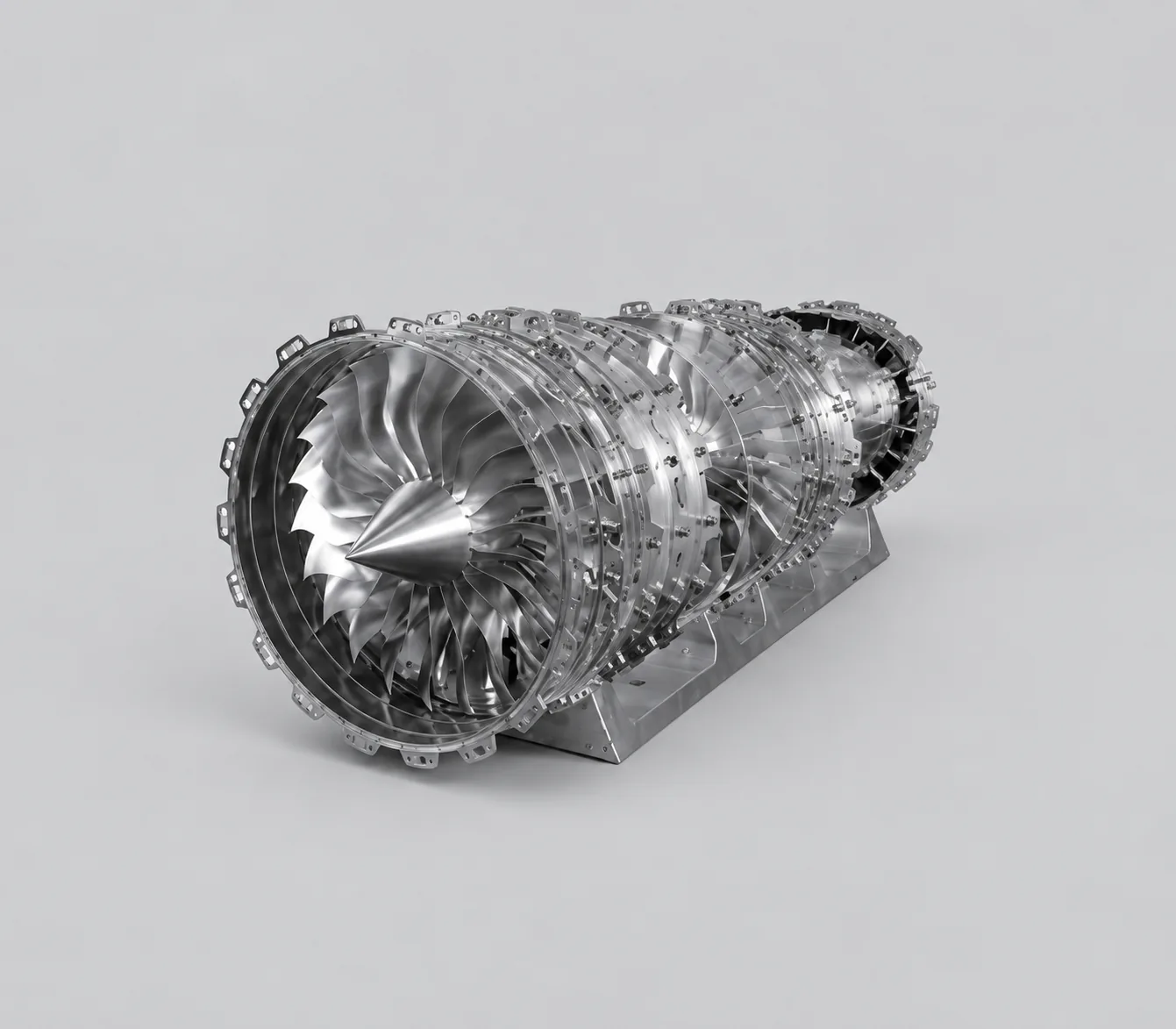
3D Printing Applications Across Industries
Industrial 3D printing supports functional prototypes, lightweight components, custom tooling, and complex geometries across demanding industries. TigerHubs helps evaluate metal and plastic additive manufacturing solutions for application-specific requirements.

Automotive
3D printing supports vehicle development through functional prototypes, complex airflow components, and customized production tooling, helping engineers validate designs before tooling investment.
- Best for
- Air ducts, battery test fixtures, prototype housings

Robotics
Lightweight 3D printed grippers and robotic components help reduce moving mass, accommodate complex designs, and enable faster tooling modifications.
- Best for
- End effectors, robotic grippers, custom mounting tools

Aerospace
Metal additive manufacturing enables lightweight structures and complex components for aerospace development, specialized tooling, and equipment applications.
- Best for
- Lightweight brackets, tooling fixtures, complex fluid components

Industrial Equipment
Additive manufacturing supports customized machine parts, replacement components, and functional testing without requiring conventional production tooling.
- Best for
- Replacement components, manifolds, custom machine fixtures

Medical
3D printing enables anatomical models, device prototypes, and customized development tools for medical equipment design and evaluation.
- Best for
- Anatomical models, device housings, development fixtures

Renewable Energy
Additive manufacturing supports complex heat-transfer geometries, engineering prototypes, and specialized tooling for energy equipment development.
- Best for
- Heat exchangers, fluid manifolds, equipment prototypes

Semiconductor Equipment
3D printing enables customized equipment fixtures, prototype enclosures, and complex handling components for semiconductor manufacturing equipment development.
- Best for
- Handling fixtures, equipment covers, prototype tooling
Frequently Asked Questions
Lern MoreThe right process depends on material, part geometry, functional requirements, accuracy, surface finish, quantity, and cost. Share your CAD model for a project-specific recommendation.
Yes. Selected metal and engineering polymer processes can produce functional components. Suitability depends on material properties, orientation, manufacturing controls, and operating conditions.
Yes, but powder or resin removal, cleaning access, support structures, and inspection requirements must be addressed during design.
Accuracy varies by process, material, dimensions, orientation, and post-processing. Critical tolerances should be reviewed individually rather than applying one tolerance to every printed feature.
Metal alloys typically offer different strength and temperature capabilities from polymers, but suitability depends on the specific materials, printing process, geometry, and loading conditions.
Yes. Selected metal printed components can be CNC machined to finish critical interfaces, bores, and mounting surfaces after appropriate build preparation and post-processing.
It depends on quantity, geometry, material, tolerances, and finishing. 3D printing often avoids dedicated tooling, while machining or molding may be more economical for other designs or volumes.
STEP, STL, and 3MF are common formats, subject to the quotation system's supported file types. Technical drawings are recommended for critical tolerances and inspection requirements.
Ready to Start Your 3D Printing Project?
Upload your CAD files and drawings to request a custom metal or plastic 3D printing quote. Share your material, quantity, dimensional requirements, and intended application so TigerHubs can evaluate a suitable manufacturing solution.